Are you trying to picture what life in Columbia, Tennessee actually feels like before you buy a home there? That is a smart move, because a town’s weekend rhythm often tells you more than a listing sheet ever could. If you are considering Columbia, this guide will help you experience the city the way a future homeowner might, from downtown walks to park time to the housing details that shape daily life. Let’s dive in.
Why Columbia Feels Different
Columbia blends several things buyers often want in one place: a historic downtown, access to the Duck River, arts and cultural spaces, and room to spread out beyond the core. It is the county seat of Maury County, sits just south of Nashville on I-65, and covers about 35.5 square miles.
The city’s estimated 2024 population was 48,885, which helps explain its mix of energy and breathing room. You can find a lively square and recurring events, but you can also get out to parks, trails, and riverfront spaces without going far.
Start With Columbia’s Local Rhythm
If you want to know whether Columbia fits your lifestyle, start with what gives the city its pulse. Local sources repeatedly point to the courthouse square, First Fridays, the Arts District, Mule Day, and the Duck River as part of Columbia’s identity.
That matters as a buyer because lifestyle is not just about your house. It is also about where you will grab coffee, spend a Saturday morning, meet friends, or unwind on a Sunday afternoon.
Walkable Downtown Core
Historic Downtown Columbia is centered around the courthouse square and is known for its Federal, Victorian, and Mid-19th Century Revival architecture. The district was recognized on the National Register in 1984, and today it remains one of the city’s clearest focal points.
Once you park downtown, the area is walkable. That makes it easy to browse shops, stop for a meal, and take in the historic setting at your own pace.
A Car Helps Beyond Downtown
If you are comparing Columbia to more fully urban areas, it helps to know what walkability means here. Downtown is easy to explore on foot once parked, but you will usually want a car to reach parks and attractions outside the historic core.
For many buyers, that is a comfortable balance. You get a central area that feels connected, plus the flexibility of a broader city layout with more space.
Friday Night Like a Local
A future homeowner’s weekend in Columbia can start simply. Begin with coffee downtown, spend time walking the square, and ease into the evening with dinner in the historic core.
Official visitor itineraries highlight a resident-friendly mix like coffee, a stroll through Historic Downtown Columbia, time near Riverwalk Park, and a visit to local landmarks. Dining listings also show locally owned spots that support a relaxed downtown night out.
What You Notice as a Buyer
On a Friday night, pay attention to pace and atmosphere. You are not just asking whether a restaurant looks good. You are asking whether the area feels like somewhere you would want to return to after work, host visiting friends, or spend an easy evening close to home.
You may also get a feel for how active downtown stays after normal business hours. Events like First Fridays, with live music, vendors, and extended shop hours, can give you a stronger sense of Columbia’s community rhythm.
Saturday Morning at Riverwalk Park
If you want one stop that says a lot about daily life in Columbia, head to Riverwalk Park. It sits just northeast of the square and includes greenways, paved walkways, pavilions, a splash pad, and a basketball court.
The Columbia Farmers Market is held there year-round on Saturdays from 8:00 a.m. to noon, with its primary season running from May through October. That combination of outdoor space and recurring market activity makes the area especially useful for buyers trying to imagine regular weekend routines.
Why Riverwalk Matters
Riverwalk Park shows how Columbia connects its downtown and outdoor identity. The Duck River runs along downtown and the park, and the city describes the river as Tennessee’s longest river and one of North America’s most ecologically diverse.
For a buyer, that means Columbia is not only about historic streetscapes. It also offers meaningful access to green space and the river environment close to the city center.
Explore the Arts and Historic Character
A strong part of Columbia’s appeal is its preserved character. The Columbia Arts District sits a few blocks from downtown in the South Garden and High Street area, and the city describes it as a haven for artists to live and work.
This district is also part of a larger system of historic zoning overlays that protect downtown, arts, and residential historic areas. As you explore, you can get a clearer picture of why Columbia feels distinct from newer suburban communities.
Historic Homes Are Part of the Story
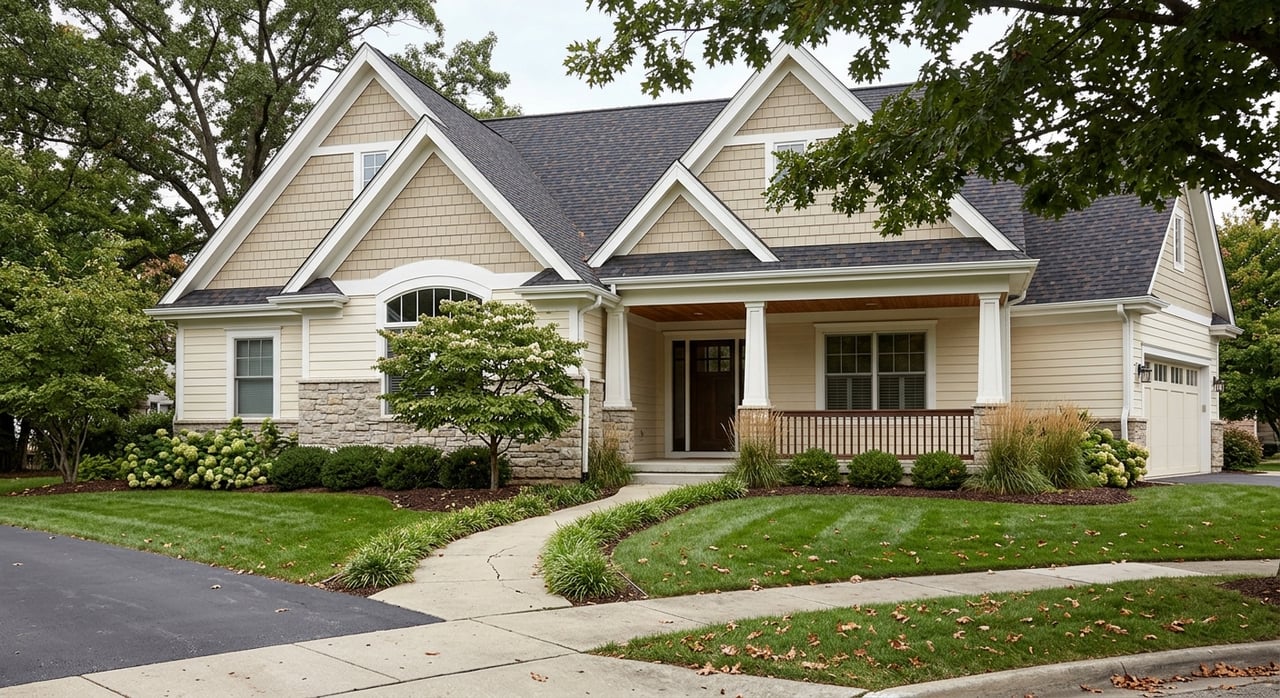
Columbia has five historic districts, including overlays for the downtown commercial district, the arts district, and four residential historic districts. If you are drawn to homes with architectural character near the core, this is an important part of the housing conversation.
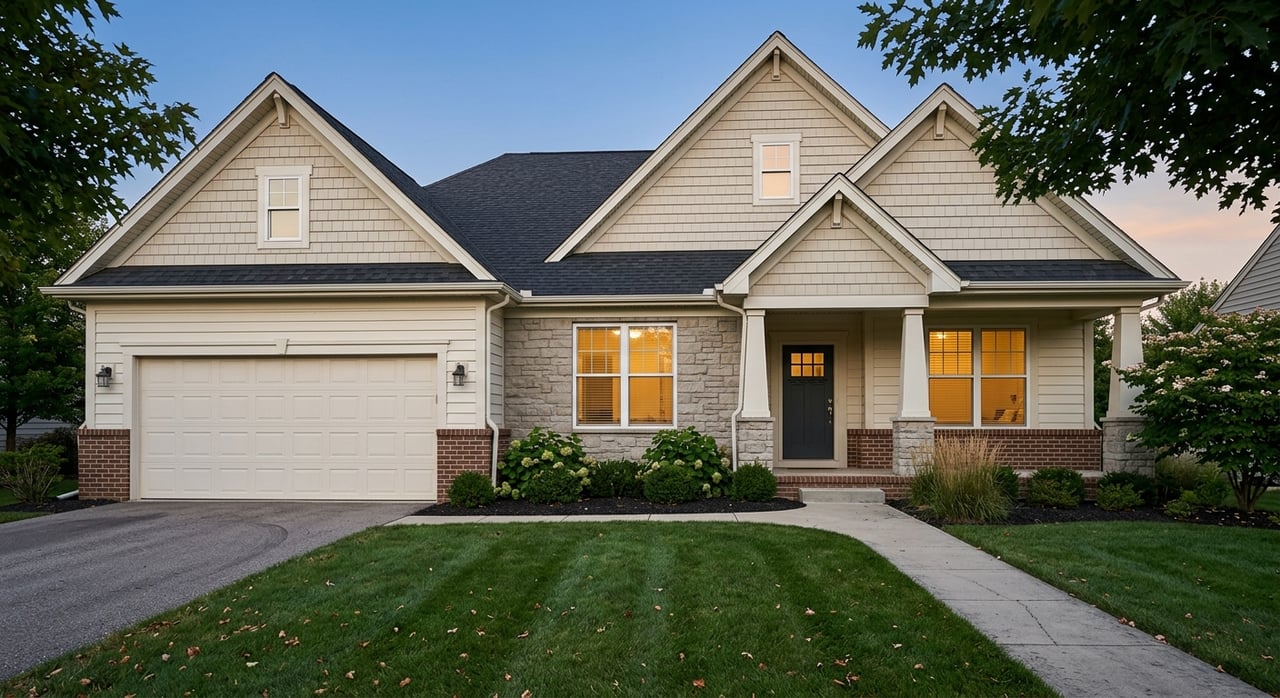
You will see a range of styles tied to the city’s history, including Greek Revival, Second Empire, Carpenter Gothic, and broader Federal and Victorian building stock downtown. In practical terms, Columbia offers buyers a mix of historic-core housing character and broader suburban-style options farther from downtown.
Know the Review Process
If you buy in one of Columbia’s historic overlay areas, exterior work may be subject to review by the Historic Zoning Commission. That does not mean you should avoid these areas. It simply means you should understand the rules before making plans for visible changes.
For many buyers, preservation is part of the appeal. It helps protect the look and feel that made them interested in Columbia in the first place.
Sunday Brings More Space to Breathe
By Sunday, many future buyers want to know what the slower side of town feels like. Columbia gives you several ways to test that, especially through its city and county parks.
Woodland Park includes playgrounds and an 18-hole disc golf course. Chickasaw Trace Park offers about 240.5 acres, 9 miles of mountain bike trails, a boat ramp, and a log cabin. Yanahli Park spans 474 acres and connects to the Duck River and the Yanahli Wildlife Management Area.
What This Means for Daily Life
These parks help show that Columbia is not limited to one lifestyle type. You can spend part of your weekend in a historic downtown setting and another part on trails, open land, or near the water.
That variety can be especially appealing if you want options close to home. It supports a more flexible routine, whether you prefer active weekends, casual outdoor time, or a little of both.
What Housing Prices Suggest
When you are evaluating Columbia as a place to buy, pricing matters just as much as lifestyle. Census QuickFacts lists the median owner-occupied housing value at $308,700 in Columbia and $355,700 in Maury County.
For more current sale context, Redfin’s May 2026 data shows a median sale price of $378K in Columbia and $436K countywide. A fair takeaway is that Columbia’s market centers in the mid-$300Ks, while countywide pricing trends in the mid-$400Ks, with some higher-end exceptions.
How to Think About Location in Columbia
Not every part of Columbia offers the same feel, and that is actually helpful as you search. Areas closer to downtown and the historic districts may appeal if you want architectural character, proximity to the square, and easier access to local events and landmarks.
Areas farther from the core may offer a more suburban setup and different lot or home-style options. The right fit depends on how you want your weekends, commute patterns, and home priorities to come together.
A Smart Weekend Plan for Buyers
If you want to evaluate Columbia with a homeowner mindset, keep your visit focused. Try to experience the city in a way that mirrors real life, not just sightseeing.
A simple buyer weekend checklist
- Walk Historic Downtown Columbia and the courthouse square
- Visit Riverwalk Park and, if timing works, the Columbia Farmers Market
- Drive from downtown to a few areas outside the core to compare feel and convenience
- Spend time in the Arts District
- Tour one or two parks such as Woodland Park or Chickasaw Trace Park
- Notice parking, traffic flow, and how often you would need a car
- Pay attention to whether you prefer historic character or a more suburban setting
Why Columbia Stands Out for Future Homeowners
Columbia gives you a blend that can be hard to find in one place. You get a walkable historic center, arts and cultural identity, meaningful outdoor access, and a housing story shaped by both preservation and growth.
If you are considering a move to Maury County, spending a weekend in Columbia can tell you a lot. You are not just touring attractions. You are testing whether the city’s pace, layout, and housing options match the life you want to build.
If you are ready to explore Columbia homes with a local, neighborhood-first strategy, Dana Rector can help you compare areas, understand the market, and move forward with confidence.
FAQs
Is Columbia, Tennessee walkable for homebuyers considering the area?
- Yes, the historic downtown core is walkable once you park, but you will usually want a car for parks and destinations outside downtown.
What should first-time visitors do in Columbia, Tennessee?
- A strong starting point is downtown Columbia, followed by the square, the Arts District, local history sites, and Riverwalk Park.
Does Columbia, Tennessee have a historic home market?
- Yes, Columbia has five historic districts and multiple historic overlays, so character-rich homes are an important part of the city’s housing story.
Are there outdoor activities in Columbia, Tennessee?
- Yes, Columbia offers Riverwalk Park, the Duck River, Woodland Park, Chickasaw Trace Park, and Yanahli Park for trails, recreation, and open space.
What is the housing price range like in Columbia, Tennessee?
- Local data suggests Columbia is centered in the mid-$300Ks, while Maury County overall trends in the mid-$400Ks, with some higher-priced exceptions.