If you’re searching in Columbia, TN, one question matters more than almost anything else: what kind of daily life do you want your home to support? Some buyers want to stroll near the square, some want a newer home with a simpler upkeep routine, and some want elbow room outside town. In a fast-growing city with more than 50,000 residents and rising housing options, choosing the right setting can shape your budget, commute, and long-term satisfaction. Let’s dive in.
Why setting matters in Columbia
Columbia has grown quickly in recent years, with an estimated population of 50,072 in July 2025. That growth helps explain why buyers are comparing several distinct home settings instead of treating Columbia like one single market.
Your choice is not just about square footage or price. It is also about how often you want to drive, how much land you want to care for, and whether you prefer historic character, newer construction, or extra privacy. In Columbia, those tradeoffs show up clearly depending on where you look.
The local numbers also help frame the decision. The city’s median owner-occupied home value is $308,700, the median monthly owner cost with a mortgage is $1,548, and the mean travel time to work is 28 minutes. In April 2026, the median sale price was about $360,000, homes averaged 95 days on market, and sellers received about 97.1% of list price on average.
Historic homes near downtown
If you love charm, established streets, and being close to local events, historic Columbia may feel like the right fit. Downtown is centered on the square, with a walkable core of shops, restaurants, and events, plus Riverwalk Park just northeast of downtown.
One of the biggest advantages here is lifestyle. Once you park downtown, the area is walkable, which makes this setting appealing if you want easier access to the square and a more connected feel in your everyday routine.
Historic living in Columbia can also offer more variety than many buyers expect. According to the city’s historic district information, you can find everything from homes two blocks from downtown to houses on about two acres and homes on large wooded lots set back from the road. In other words, a historic address does not always mean a tiny yard.
What to know before buying historic
Columbia has five designated historic districts, and the Historic Zoning Commission acts as the city’s official historic preservation review body. That matters because certain exterior changes to landmarked properties or homes in historic districts may require approval.
For you, that can mean a little more homework before closing and a little more patience after closing. If you already know you want to make major exterior updates right away, this is an important detail to understand early.
Best fit for downtown-style living
This setting often works best if you value character, proximity to the square, and the option to walk to downtown events. It may be less ideal if your top priorities are a large garage, fully predictable maintenance, or a home style with fewer exterior review rules.
Newer subdivisions on Columbia’s edge
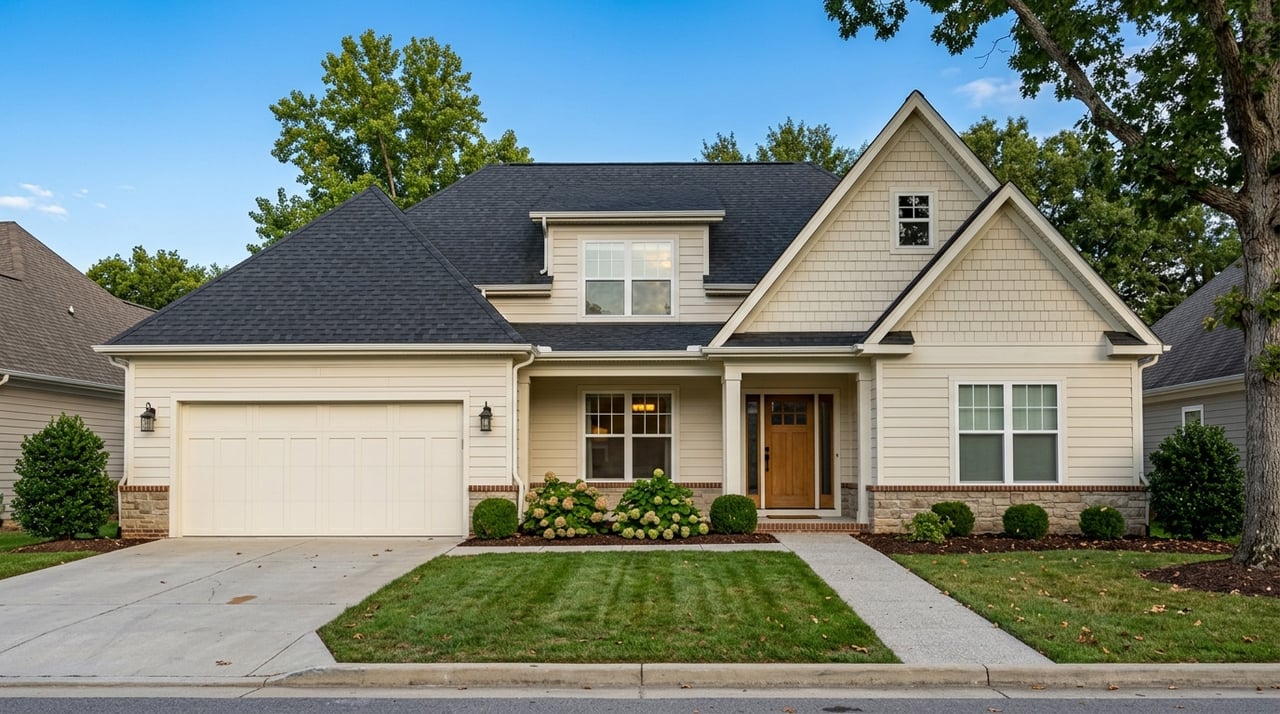
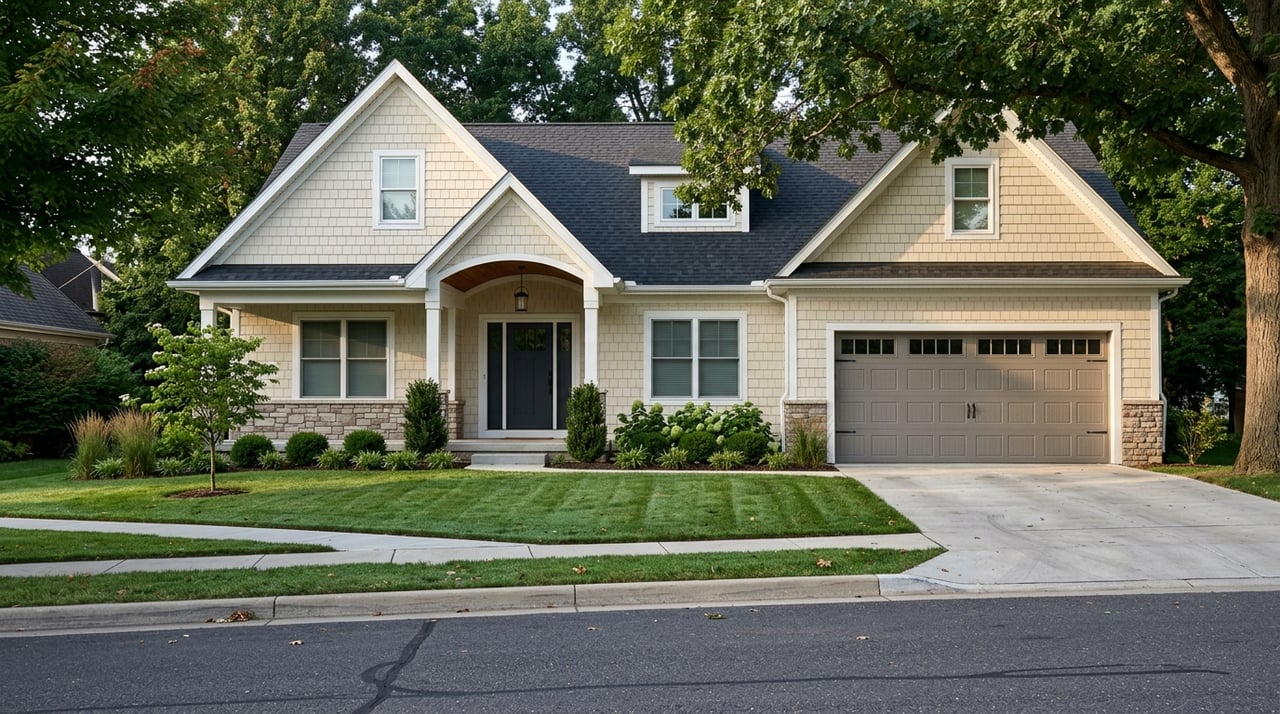
If your priority is newer construction and a more straightforward move-in experience, neighborhoods on the edge of town may deserve a close look. Columbia adopted its comprehensive plan in February 2024, and city subdivision regulations guide how land is divided and developed inside the city.
That planning framework helps shape newer neighborhoods with more standardized streets, lot layouts, and infrastructure. Compared with older parts of town, these areas often feel more planned and less irregular in how homes and lots are arranged.
Many buyers are drawn to these neighborhoods because the homes are newer and maintenance can feel more manageable. If you want a simpler transition into homeownership, that can be a meaningful advantage.
The tradeoff with edge neighborhoods
The main tradeoff is usually convenience versus character. Outside downtown, Columbia tends to be more car-oriented, so daily errands and activities may involve more driving than they would near the square.
That does not make edge neighborhoods better or worse. It simply means your routine matters. If you are comfortable driving for most of your day-to-day needs, a newer subdivision may line up well with your goals.
Why this option appeals to many buyers
For first-time buyers, move-up households, and busy commuters, newer subdivisions can offer a practical balance of updated features and a more predictable upkeep routine. And because Columbia’s overall market remains somewhat negotiable, with homes selling for about 97.1% of list price on average in April 2026, you may have room to compare newer homes against older ones without assuming one category is automatically out of reach.
Larger-lot homes outside the city
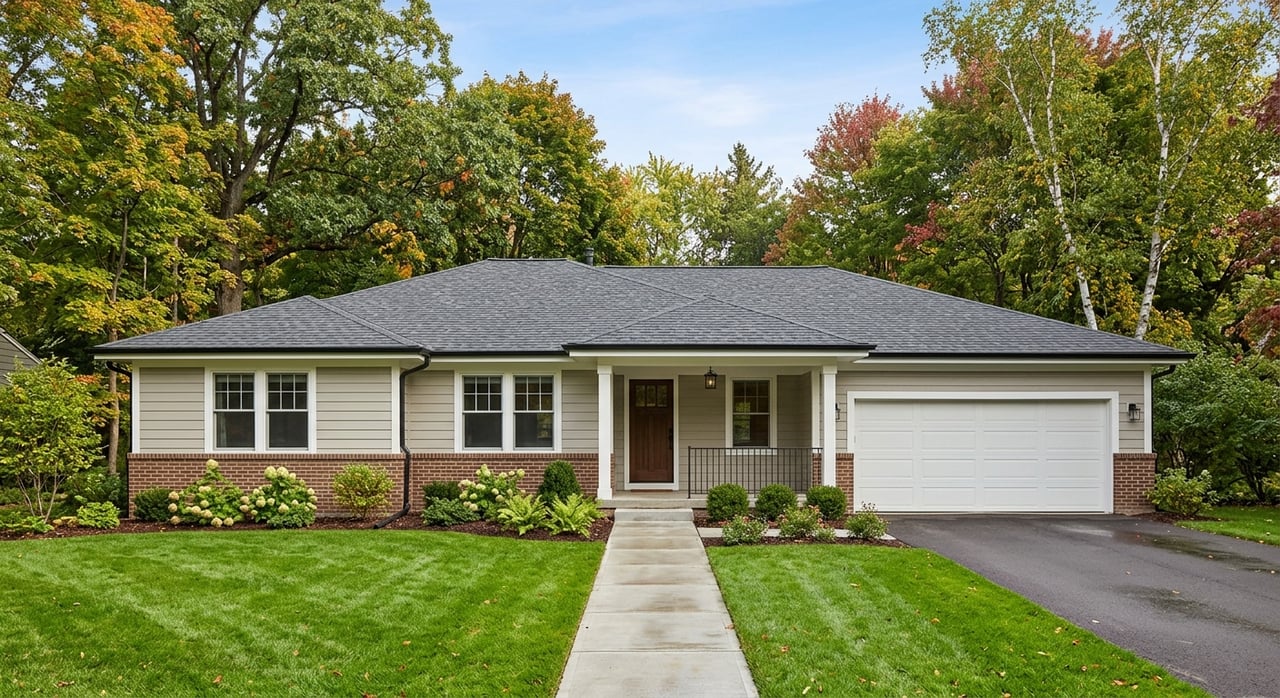
If you picture a bigger yard, more privacy, or extra room for outdoor uses, homes just outside Columbia may be the setting that fits best. In unincorporated Maury County, local zoning supports lower-density living patterns than you typically find inside the city.
The county’s Agricultural Preservation district is intended to protect farming and rural character, while the Residential Rural district allows agricultural and forestry uses along with low-density residential use. Minimum lot area is 15 acres in AP and 5 acres in RR, which shows how strongly these areas are oriented toward space and separation.
For buyers, that often translates into more land, more privacy, and more flexibility in how the property feels day to day. It can also mean more upkeep and more time spent in the car.
When acreage makes sense
This setting is often a strong match if you want a bigger yard, a detached shop, or more distance from neighbors. It can also be attractive if you value a quieter, lower-density setting and do not mind giving up walkability.
The flip side is access and drive time. Columbia is about 45 miles south of Nashville off I-65, and the city’s average commute time is already 28 minutes, so buyers should think carefully about how often they will be driving into town, to work, or toward the Nashville area.
Price can vary more than buyers expect
It is smart not to treat price as fixed by setting alone. Columbia’s median sale price was about $360,000 in spring 2026, but lot size, home age, and exact location can shift value in a major way, especially when land is part of the equation.
That means a larger-lot home outside the city is not automatically the cheapest or the most expensive option. It depends on the property itself and how much land comes with it.
Questions to ask before you choose
Before you decide between downtown, the edge of town, or outside the city, it helps to narrow your priorities. A clear answer on lifestyle can save you time and help you focus on the right listings.
Ask yourself:
- How walkable do I want my daily routine to be? Downtown Columbia is the clearest fit for that goal.
- How much exterior change do I want to make after closing? Historic districts may require approval for certain alterations.
- How much land do I want to maintain? Rural county districts support larger lots, but more land usually means more upkeep.
- How commute-sensitive am I? More distance from town can mean more driving.
- What can I afford in today’s market? Price can vary widely by location, lot size, and home age.
How to match your setting to your lifestyle
The best Columbia home setting is the one that fits the way you actually live, not just the way a listing looks online. If you want activity, walkability, and character, historic areas near downtown may be the best match. If you want a more streamlined move and newer features, edge subdivisions may make more sense. If space and privacy are at the top of your list, looking outside the city may be worth the extra drive.
A thoughtful search starts with clarity. When you know your priorities on commute, maintenance, land, and lifestyle, it becomes much easier to sort through your options and move forward with confidence.
If you want help comparing Columbia neighborhoods, property types, or day-to-day tradeoffs, Dana Rector is here to help you schedule a free consultation and find the setting that truly fits your life.
FAQs
What is the most walkable home setting in Columbia, TN?
- Historic downtown Columbia is the strongest option for walkability, since the square area includes shops, restaurants, events, and nearby public spaces in a walkable core.
What should buyers know about Columbia historic districts?
- Columbia has five designated historic districts, and certain exterior changes to landmarked properties or homes in those districts may require approval from the city’s historic review process.
Are newer subdivisions in Columbia, TN more car-dependent?
- In many cases, yes. Areas outside downtown are generally more car-oriented, even though they may offer newer homes, planned streets, and a simpler move-in-and-maintain feel.
What is different about larger-lot homes outside Columbia city limits?
- Homes in unincorporated Maury County often offer more land, more privacy, and lower-density surroundings, but they typically come with less walkability and more driving.
How competitive is the Columbia, TN housing market?
- In April 2026, Columbia’s median sale price was about $360,000, homes averaged 95 days on market, and sellers received about 97.1% of list price on average, which suggests buyers may have room to compare options across different settings.