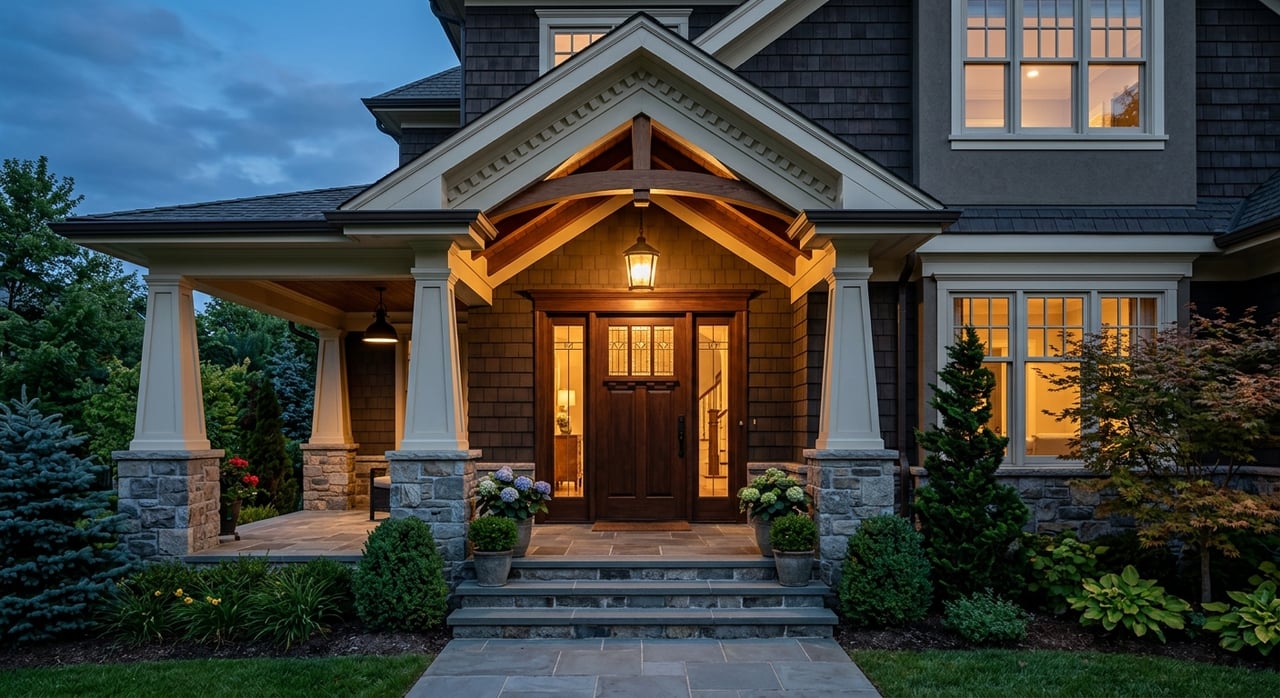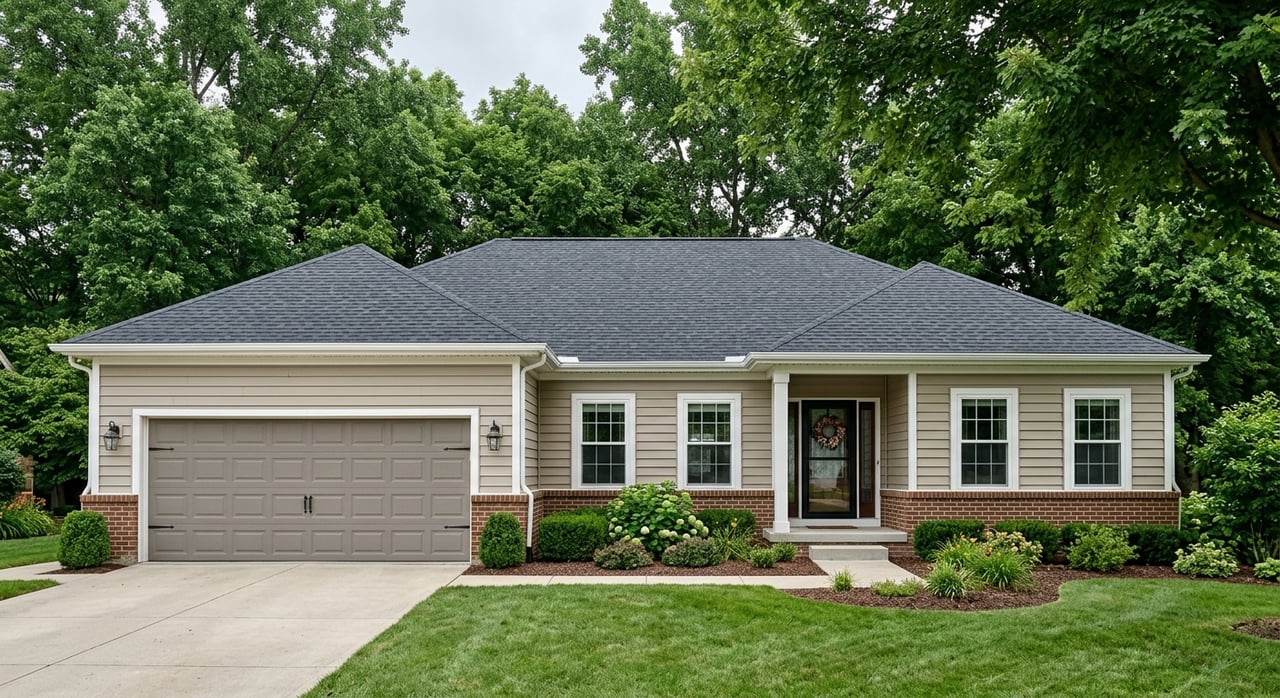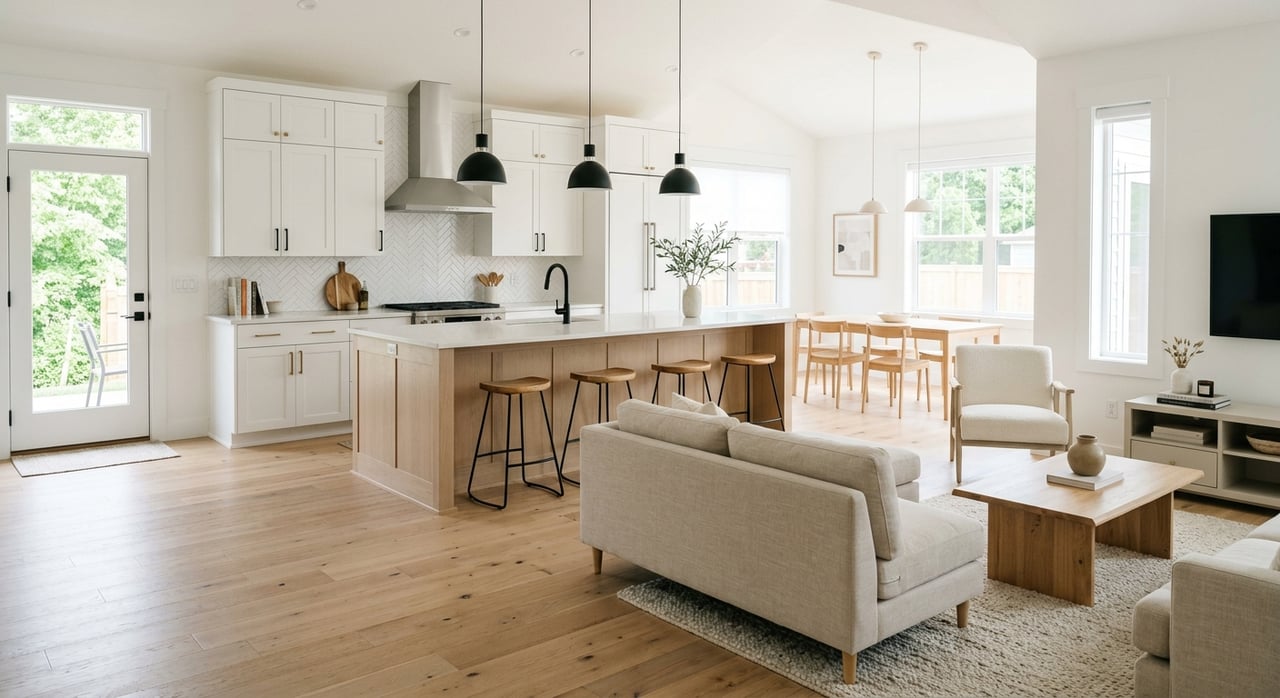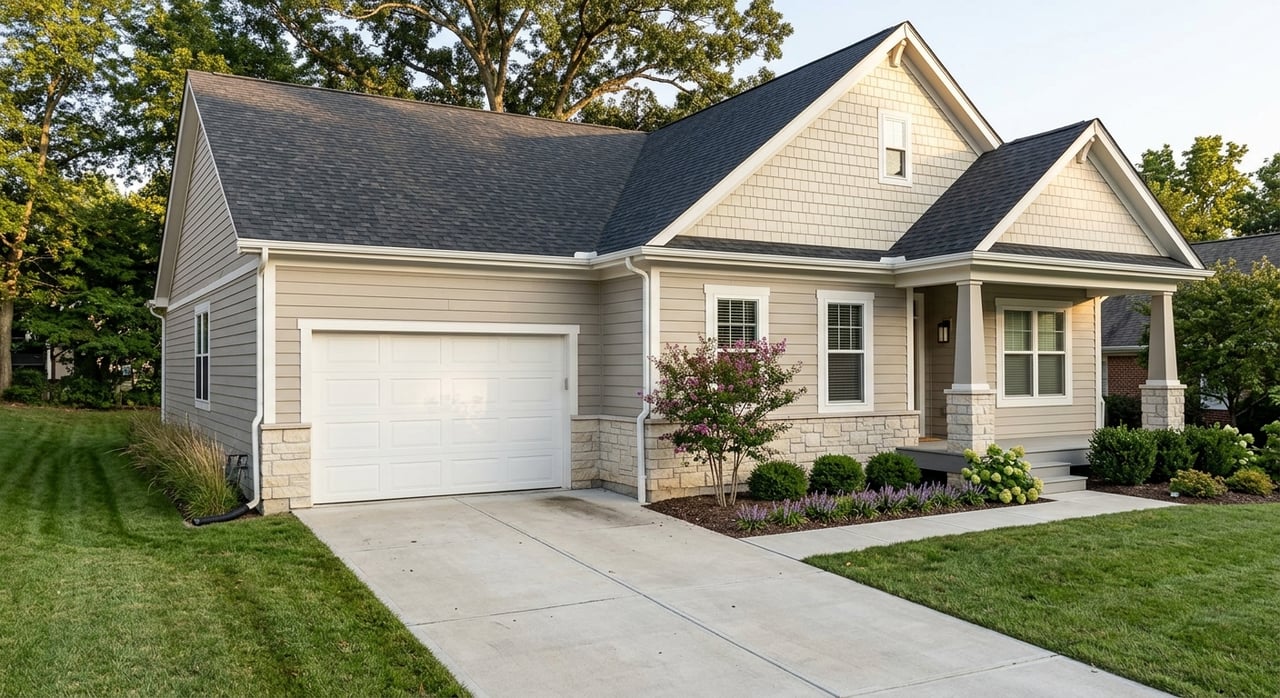
Thinking about buying a brand-new home in Spring Hill? It can be exciting to choose fresh finishes, modern layouts, and a home that no one has lived in before. But new construction is not always simpler than buying resale. In Spring Hill and nearby parts of Maury County, details like builder contracts, lot conditions, tax location, inspections, and even sewer allocation can affect your timeline and your costs. This guide will help you understand what to watch for so you can move forward with more confidence. Let’s dive in.
Why Spring Hill draws new construction buyers
Spring Hill continues to attract buyers who want more space, newer housing, and access to Middle Tennessee job centers. The city sits in both Maury and Williamson counties and is about 35 miles south of Nashville. According to the City of Spring Hill, the city’s estimated population reached 59,398 in July 2024, while Maury County grew to 113,411.
That growth helps explain why new construction remains a major part of the local housing picture. Spring Hill also has a high owner-occupied rate and a median owner-occupied home value of $493,800, based on the same city history data. For you as a buyer, that points to a market where demand for owner-occupied homes has stayed strong.
Maury County’s permitting activity adds to that story. The county recorded 1,672 building permits in 2024, and the Maury County Building and Zoning Office oversees permitting and inspections for new construction in its area. In short, new home activity is still very much part of the Spring Hill market.
How new construction differs from resale
A new-build purchase usually comes with more paperwork and more decision points than a typical resale home. Tennessee REALTORS identifies a separate set of forms for new construction, including a New Construction Purchase and Sale Agreement and related addenda. Those forms can cover specifications, allowances, change orders, walk-through items, final inspections, and impact-fee or adequate-facilities disclosures.
That matters because you may not just be buying a finished house. You may also be agreeing to selections, materials, timelines, substitutions, and completion standards. If you are buying a home that is nearly complete, the contract approach may differ from a home that is still to be built, according to Tennessee REALTORS guidance.
Builder contracts also deserve careful review. A Tennessee attorney resource explains that the contract should clearly address the scope of work, drawings and specifications, project schedule, payment schedule, additions or deletions, and dispute resolution. Because these agreements are often drafted by the builder or contractor, careful review before signing is especially important.
Choose the right lot, not just the right floor plan
It is easy to focus on the model home and forget that the lot can shape your ownership experience just as much as the house itself. In Spring Hill and nearby Maury County areas, lot due diligence should include floodplain status, zoning, access, easements, subdivision rules, and who maintains the parcel. The Maury County Building and Zoning Office publishes resources tied to these issues, including zoning maps, subdivision regulations, floodplain forms, and advisory comments on access and easements.
You will also want to confirm which side of Spring Hill the property is on from a tax standpoint. The city collects property taxes separately from Maury and Williamson counties, so the city tax office notes that county location matters for tax administration. When you compare homes on different sides of town, that is worth confirming early.
A practical lot review checklist may include:
- County location for tax administration
- Floodplain status
- Access and easement details
- Subdivision requirements
- Utility availability
- Sewer allocation or vested sewer rights
Sewer capacity can affect timing
One of the biggest local issues to keep on your radar is sewer availability. Spring Hill adopted a sewer moratorium framework effective January 5, 2026, to manage remaining sewer allocations and require flow meters on projects receiving allocation.
For you as a buyer, that means a build timeline may depend on more than the lot and construction schedule. It may also depend on whether the property has available sewer allocation or vested sewer rights. If you are considering a to-be-built home, this is an important question to ask before relying on an estimated completion date.
Put upgrades and allowances in writing
One of the easiest ways for confusion to creep into a new-construction purchase is through upgrades. You may talk through options for flooring, lighting, appliances, cabinets, or design selections, but verbal conversations are not enough. Tennessee REALTORS includes both a New Construction Allowance Addendum and New Construction Change Order in its list of common forms, which is a strong reminder that upgrades and substitutions should be documented clearly.
This helps you keep track of both costs and expectations. If you are comparing builders or communities in Spring Hill, ask how allowances work, what is included in the base price, and how later changes are approved and priced.
Here are a few smart questions to ask:
- What finishes are included in the base price?
- Which items are allowances?
- How are overages handled?
- How are changes approved after contract?
- Will substitutions be documented in writing?
Inspections still matter on a brand-new home
A new home may be new, but that does not mean you should skip inspections. In Tennessee, a home inspection is not required by law before a purchase, but the state says it is for the buyer’s benefit and recommends using a licensed home inspector. The state also points out that an inspection is different from an appraisal, which is done for the lender.
This is an important distinction. A municipal or county code inspection is not the same as a private inspection that works for you. The Tennessee Department of Health notes that code enforcement typically happens during new construction or renovation, while home inspections are often part of real estate contracts.
Tennessee REALTORS’ new-construction guidance also builds inspections into the contract process. It references the buyer’s inspection, a walk-through list, and a final inspection form, and notes that buyers may be able to terminate under the inspection contingency if the inspection period is still open, based on the contract guidance. It also says utilities should be operational for the final inspection.
Understand the warranty language
Many buyers assume every builder must provide a one-year warranty. In Tennessee, that is not automatically true. Tennessee REALTORS states there is no state statute that automatically requires a one-year builder warranty, and the implied warranty can be disclaimed in the contract.
That makes the written warranty terms especially important. Before you sign, make sure you understand what is covered, how long the coverage lasts, what is excluded, and how warranty claims are handled.
Why buyer representation still helps
When you walk into a model home, it is easy to assume the on-site representative is there to guide your side of the deal. Tennessee REALTORS explains that if a licensee is working only as the seller’s or builder’s agent, that person is not working with the buyer. It also notes that an exclusive buyer representation agreement can clarify agency status and protect your agent’s role.
In practical terms, separate representation can help you keep all the moving pieces organized. That can include contract terms, inspections, change orders, deadlines, tax questions, lot issues, and local utility concerns. In a market like Spring Hill, where county-side tax administration and sewer allocation can affect decisions, having an advisor focused on your side can make the process more manageable.
A smart approach to buying new construction
If you are considering new construction in Spring Hill and nearby areas, it helps to think beyond the showroom experience. A smart purchase includes the home, the lot, the contract, the utility picture, and the closing process.
A strong plan usually looks like this:
- Confirm the lot details, county side, and tax setup.
- Ask about sewer allocation or vested sewer rights.
- Review specifications, allowances, and change order procedures.
- Read the contract carefully before signing.
- Schedule independent inspections and final walk-throughs.
- Review warranty language in writing.
Buying new construction can be a great fit if you want a modern home and a more tailored move. The key is making sure the details match the promise. If you want a local guide to help you compare builders, review neighborhoods, and stay on top of the process in Spring Hill, connect with Dana Rector for a free consultation.
FAQs
What should you verify before buying a new construction lot in Spring Hill?
- You should confirm floodplain status, access and easements, zoning, subdivision rules, utility availability, sewer allocation, and whether the parcel is on the Maury or Williamson County side for tax administration.
Do you need a home inspection for a new construction home in Tennessee?
- Tennessee does not require a home inspection by law before purchase, but the state recommends using a licensed home inspector because the inspection is for your benefit and is separate from the lender’s appraisal.
Does every new construction home in Tennessee come with a one-year builder warranty?
- No. Tennessee REALTORS says there is no state statute that automatically requires a one-year builder warranty, so you should review the written warranty language in the contract carefully.
Can the builder’s on-site agent represent you in a Spring Hill new construction purchase?
- Not necessarily. If that agent is working for the seller or builder, they are not working for you as the buyer, which is why many buyers choose their own representation.
Can sewer issues affect a new construction timeline in Spring Hill?
- Yes. Spring Hill’s sewer moratorium framework means some projects may depend on sewer allocation or vested sewer rights, so delivery timing may involve more than just the construction schedule.