If you are thinking about buying a rental property in Middle Tennessee, Columbia deserves a close look. It sits in a sweet spot where home prices are still more approachable than some nearby cities, while rent demand appears steady enough to interest small-scale investors. If you want a clearer picture of what makes a Columbia single-family rental work, this guide will walk you through the numbers, tradeoffs, and property types worth watching. Let’s dive in.
Why Columbia Stands Out
Columbia is not a tiny outpost anymore. The U.S. Census Bureau estimates the city had 48,812 residents in 2024, which is 17.3% growth since 2020, and that kind of population growth matters when you are evaluating long-term rental demand. The city also reported 3.4% unemployment in August 2025, below the national 4.5%, while local budget planning highlights continued residential in-migration and transportation investment, according to the U.S. Census Bureau and local tax and planning sources cited in the research.
That combination gives Columbia a practical appeal for investors. It is large enough to offer more options than a very thin market, but still manageable at the neighborhood level. For many buyers, that makes it easier to compare streets, property condition, commute access, and rental positioning without getting lost in a huge metro.
Columbia Rental Math at a Glance
The current rent and price picture suggests Columbia can work as a middle-ground investment market. According to Zillow’s Columbia rental market trends, houses rent from $750 to $3,950, with an average asking rent of $1,795. Zillow also reports 3-bedroom homes average $1,900 and 4-bedroom homes average $2,323.
On the value side, Zillow shows a typical home value of $364,640 in Columbia, up 1.0% over the past year, with homes going pending in about 58 days. When you compare the average rent to the typical home value, the rough gross yield is about 5.9% before taxes, insurance, vacancy, repairs, and management costs. That is not a guarantee of profit, but it gives you a useful starting point for screening deals.
What Renters in Columbia Likely Want
Columbia does not read like a student-heavy rental market. Census data shows a median age of 35.5, an average household size of 2.46 persons, and 25.6% of residents under 18. The owner-occupied rate is 63.3%, and the average commute is about 28 minutes, according to the Census profile for Columbia.
That points to a renter profile centered more on working households and small families than on ultra-compact or luxury-only demand. In practical terms, many renters may place more value on features like:
- Three-bedroom layouts
- Off-street parking
- Storage space
- Usable yard area
- Access to commute routes
This is one reason single-family rentals can make sense here. A well-kept detached home often lines up better with local household needs than a high-end property that looks impressive but rents inefficiently.
Best Property Types to Target
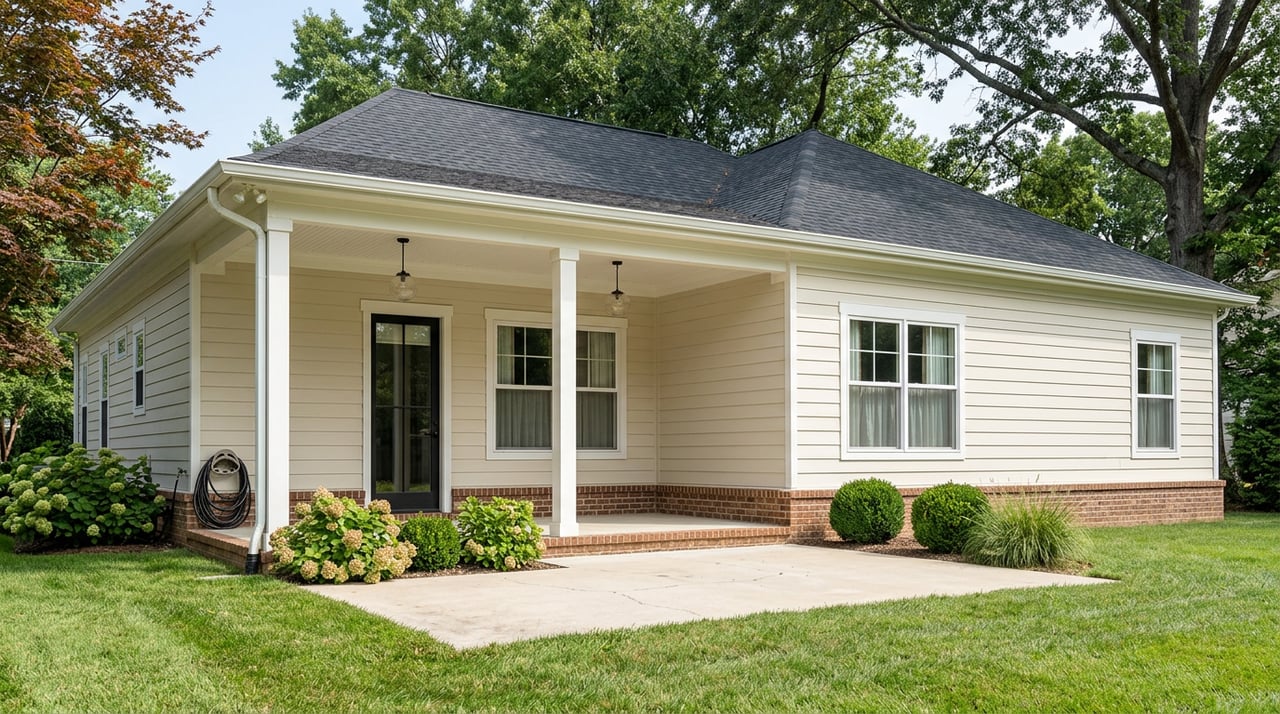
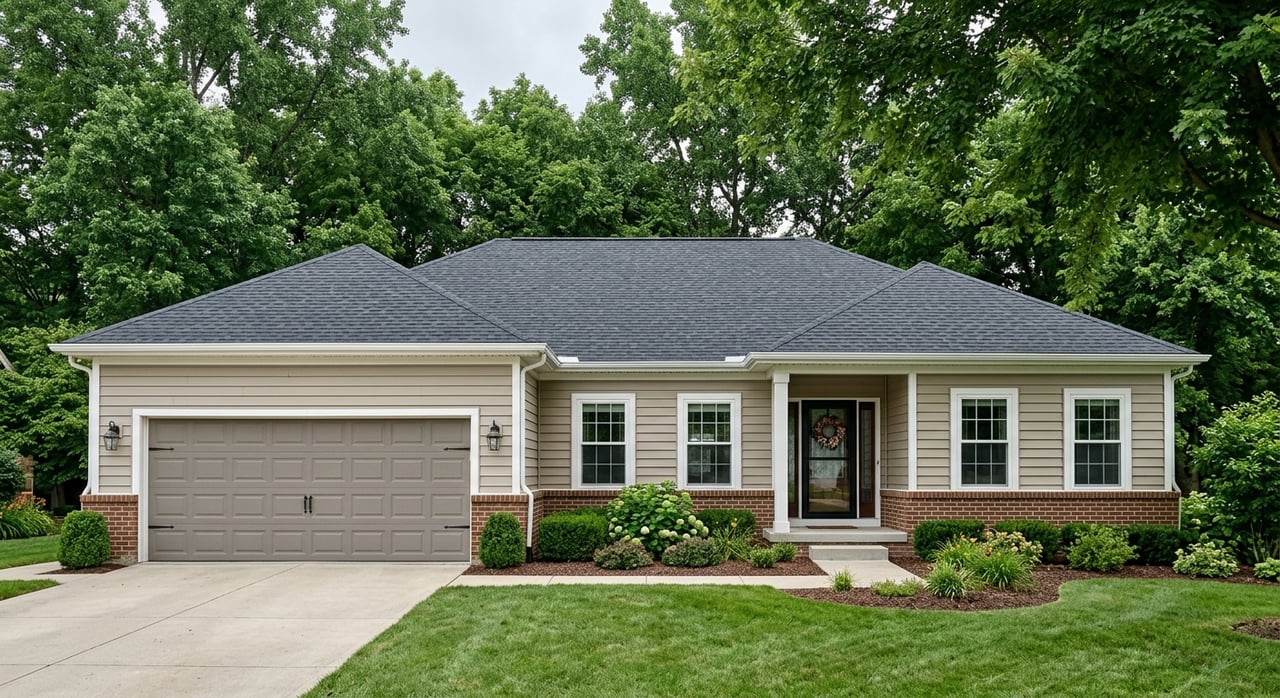
For many investors, the most appealing Columbia strategy is simple: focus on properties that match everyday renter demand and keep your acquisition criteria disciplined. Based on the market snapshot, well-kept 3-bedroom detached homes and some newer townhomes near commute corridors appear to offer the strongest balance of rentability and practicality.
Older homes can produce better yield on paper, but only if you underwrite repairs honestly. Newer homes may lease more easily and need less immediate work, but the higher purchase price can compress returns. The right choice depends on whether your priority is stronger cash flow potential or lower near-term maintenance.
Older Value-Add Homes
Columbia’s older housing stock can create opportunity for investors willing to plan carefully. The research report highlights a 1950 Riverside home at $238,400 with estimated rent of $1,345 and a 1950 West Avenue home at $284,600 with estimated rent of $1,661. Those examples imply gross yields of about 6.8% and 7.0%.
That is attractive compared with the citywide average, but there is a catch. Older homes can require more budget for roofing, HVAC, plumbing, and turnover work, so the stronger gross yield does not automatically mean easier ownership. If you pursue value-add properties, your inspection and repair reserve matter just as much as the purchase price.
Newer, Lower-Maintenance Homes
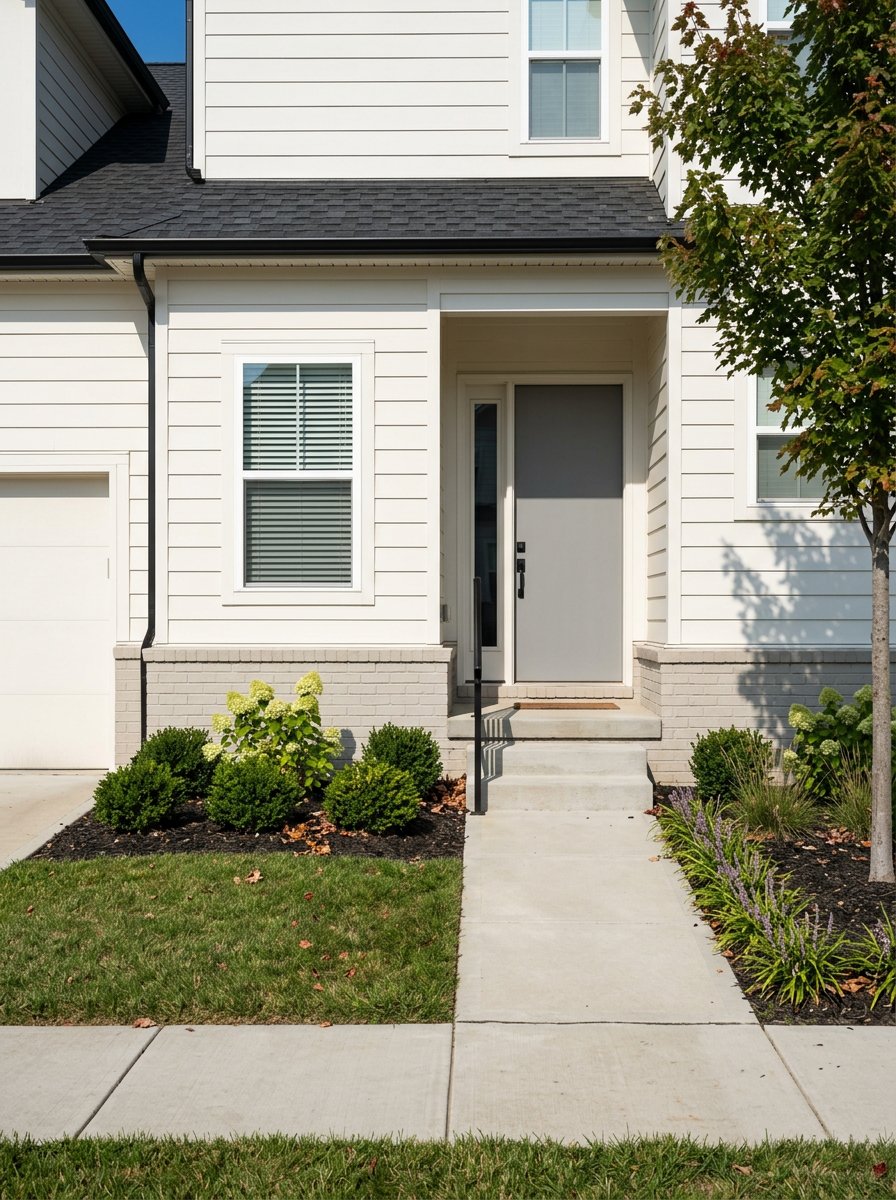
The report also points to newer options such as a 2022 Bear Creek townhome and a 2023 Carter’s Station home. These properties may appeal to investors who want fewer near-term repairs and a more straightforward leasing process. They can also fit renters who prefer newer finishes and low-maintenance living.
The tradeoff is usually pricing. As purchase prices rise faster than rent, yield can narrow. That does not make newer homes a bad investment, but it does mean you should avoid overpaying simply because a property is newer.
Trophy Homes Usually Miss the Mark
Higher-end homes often look appealing, but the math can get weak fast. The research report cites a Carters Creek Pike home priced around $1.01 million with estimated rent of $3,022, which works out to only about 3.6% gross yield.
For most small-scale investors, that kind of property leans more toward appreciation speculation than cash flow discipline. If your goal is an efficient single-family rental, Columbia’s premium homes are usually not the first place to look.
Columbia Areas Worth Watching
Not every part of Columbia offers the same rental profile. Some areas fit a value-add strategy, while others are more about newer inventory and easier maintenance.
Riverside and Downtown-Adjacent Areas
Riverside and nearby downtown-adjacent blocks stand out because listings often highlight walkability to Riverwalk Park and downtown Columbia. Access to parks and local amenities can help a rental feel more livable and may support better tenant retention. In these areas, renovated older homes may offer some of the better cash-flow opportunities if the rehab work is solid.
Bear Creek and Carter’s Station
Bear Creek and Carter’s Station are worth watching if you prefer newer product. The research notes examples with convenient access to I-65, downtown Columbia, and nearby community amenities. These areas may be a better fit if you value lower maintenance and easier leasing over maximum yield.
Carters Creek and Other Higher-End Pockets
Higher-end pockets can still attract attention, especially if you are drawn to larger homes or premium finishes. But from a pure rental-investment standpoint, the price-to-rent ratio often works against you. In most cases, these homes are better viewed as appreciation-oriented holdings than practical cash-flow rentals.
Don’t Ignore Taxes and Resets
A property that looks strong on rent alone can become much less attractive once you factor in taxes and future reassessments. In Tennessee, residential property is assessed at 25% of appraised value. Inside Columbia city limits, the city tax rate is 0.8251 per $100 of assessed value and Maury County’s rate is 1.91 per $100, for a combined 2.7351 per $100, according to the Tennessee Comptroller’s property tax guidance.
That works out to roughly 0.684% of market value, or about $2,493 per year on a $364,640 home before exemptions. Rental owners also should not assume they will receive primary-residence tax relief programs. Those programs are generally tied to owner occupancy, not investment property.
You should also keep reassessment timing in mind. Maury County reappraises every four years, with 2022 as the current reappraisal year noted in the report. That means your tax bill may not stay flat over time, so it is smart to underwrite future tax increases instead of treating today’s number as permanent.
How Columbia Compares Nearby
If you are choosing between Columbia and nearby markets, the local numbers help frame the decision.
| Market | Typical Home Value | Average Rent | Rough Gross Yield |
|---|---|---|---|
| Columbia | $364,640 | $1,795 | 5.9% |
| Spring Hill | $513,226 | $2,150 | 5.0% |
| Murfreesboro | $421,928 | $2,015 | 5.7% |
| Franklin | $893,851 | $2,967 | 4.0% |
| Lewisburg | $290,789 | $1,750 | 7.2% |
Based on the research report, Columbia offers a useful middle position. It is more affordable than Spring Hill, more cash-flow friendly than Franklin, and only slightly behind Murfreesboro on gross yield while remaining smaller and easier to understand. Lewisburg shows stronger rent math, but the report notes much thinner inventory, which can limit scale and liquidity.
A Practical Columbia Investment Approach
If you are evaluating a single-family rental in Columbia, a practical buy box may look like this:
- 3-bedroom detached homes first
- Functional layout over luxury upgrades
- Convenient access to downtown or commute corridors
- Parking, storage, and yard space
- Clear repair history or realistic renovation budget
- Tax and maintenance reserves built into your numbers
This approach matches what the local data suggests about renter demand. It also keeps you focused on durability and rentability instead of chasing a property that looks great online but performs poorly as a rental.
Columbia is not a market where every house makes sense as an investment. But if you stay disciplined on price, target the right property type, and account for taxes and maintenance from the start, it can offer a solid path for small-scale single-family rental investors.
If you want help comparing Columbia opportunities with Spring Hill and other nearby Middle Tennessee markets, connect with Dana Rector. You will get a local, practical perspective on which homes may fit your goals and which ones are better left alone.
FAQs
What makes Columbia, TN attractive for single-family rental investing?
- Columbia offers a middle-ground mix of affordability, steady rental demand, and population growth, with a typical home value of $364,640 and average asking rent of $1,795 based on the research report.
What type of rental home performs best in Columbia, TN?
- The research suggests well-kept 3-bedroom detached homes and some newer townhomes near commute routes are often the best fit for local renter demand.
Are older Columbia homes better investments than newer homes?
- Older homes can show stronger gross yield, but they often require more reserve planning for items like roof, HVAC, plumbing, and turnover work.
How much are property taxes on a rental in Columbia, TN?
- Based on the current city and county rates in the research report, taxes work out to roughly 0.684% of market value, or about $2,493 annually on a $364,640 home before exemptions.
Is Columbia, TN better for cash flow than Franklin or Spring Hill?
- Based on the report’s rent-to-price comparisons, Columbia shows better gross yield than Franklin and Spring Hill, while remaining more affordable than both for many investors.