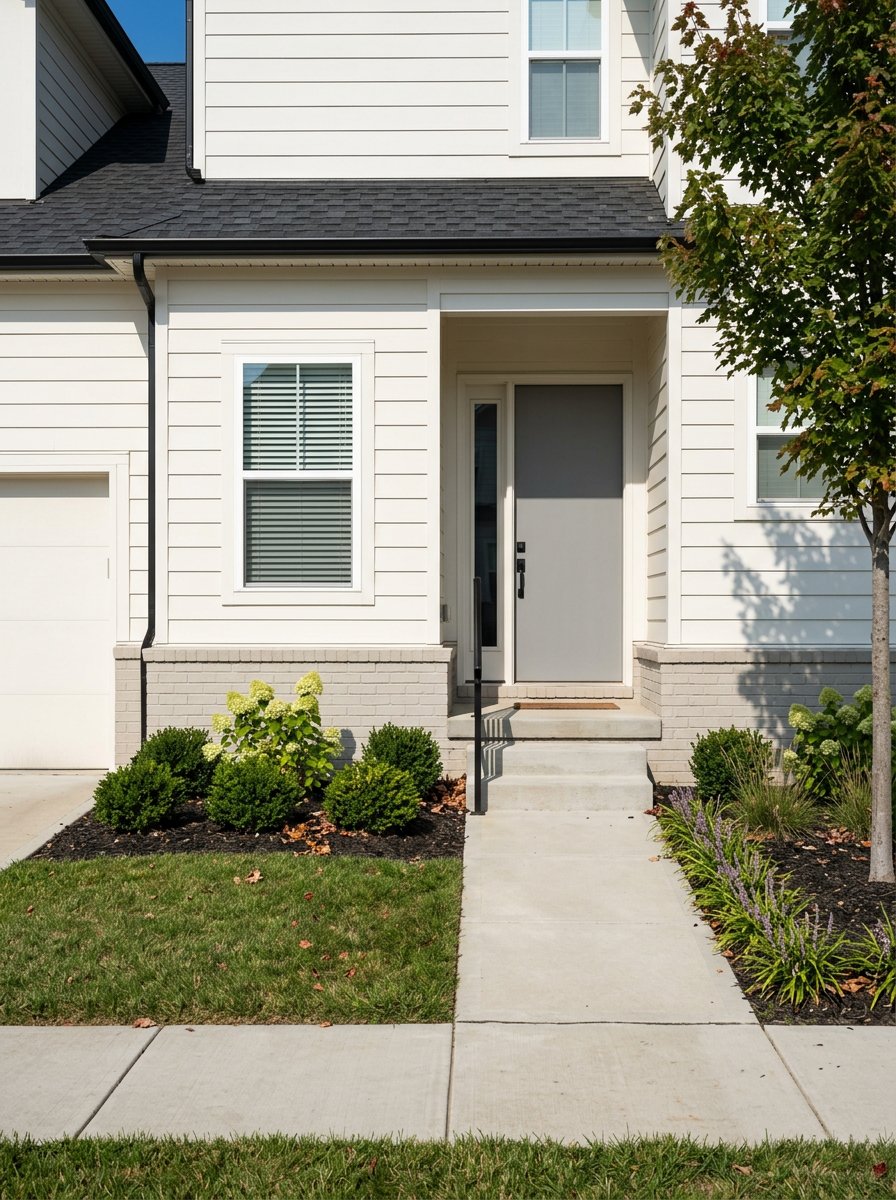
Buying your first home in Spring Hill can feel exciting and a bit overwhelming, especially when you’re comparing neighborhoods on the Maury County side. You want solid value, reasonable HOA fees, and a location that fits your day-to-day life. This guide gives you a clear path, from budget-friendly communities to HOA tips and inspection checklists tailored to first-time buyers. Let’s dive in.
Why focus on Maury County
Spring Hill spans two counties, and the county line affects taxes, schools, and price points. Always confirm which county an address is in before you compare homes or schools. The City of Spring Hill explains the county split and why it matters for services and zoning in its public resources. You can review a helpful overview in the city’s information portal on how Spring Hill sits in both Maury and Williamson counties and why that’s important for buyers. See the city’s overview.
Recent local reports suggest Spring Hill is shifting toward more buyer-friendly conditions, with rising inventory and months of supply in early 2026. For first-time buyers, that can mean a bit more breathing room to tour, compare, and negotiate.
As a quick price frame for Maury-side options, many townhomes list in the low-to-mid $300,000s up to the $400,000s, while entry-level single-family homes often run roughly from the high $300,000s to the mid-$500,000s depending on size, age, and subdivision. Always verify current pricing with live listings before you act.
Top neighborhoods for first-time buyers (Maury side)
Harvest Point
Harvest Point is a newer master-planned community with active townhome and single-family sections. Townhomes commonly offer 3 bedrooms, 2.5 baths, and 2-car garages, while single-family homes span a wide range of sizes as phases build out. Community amenities include a pool, trails, dog park, tot lot, and green space managed by the HOA. Utilities are noted as City of Spring Hill water and sewer in community materials. Explore community details and amenities on the builder’s page for Harvest Point. Pricing in recent move-ins and closings ranges from the high $300,000s into the $600,000s depending on plan and finish.
Who it fits: You want newer construction, on-site amenities, and options to choose between townhomes and single-family within one neighborhood.
Arbor Valley
Arbor Valley features townhomes and single-family new construction marketed with low-maintenance designs. Many townhome plans include a first-floor bedroom suite and alley-loaded garages, which helps with curb appeal and everyday convenience. Recent builder offerings show townhome pricing from the high $300,000s to low $500,000s depending on the plan and finish level.
Who it fits: You like a new build with smart layouts, modest maintenance, and quick access to Spring Hill’s shopping corridors and Saturn Parkway.
Golf View Estates
Golf View Estates is an established, value-oriented section of Spring Hill with mostly resale single-family homes built in the 2000s and 2010s. Lots tend to be smaller than in premium master-planned areas, which helps keep entry prices lower. Many listings here report small HOA dues around the cost of basic common-area upkeep. Recent examples have asked under $450,000, depending on size and updates.
Who it fits: You want a traditional single-family home with a yard, minimal HOA cost, and a lower entry price point.
Hardins Landing
Hardins Landing includes newer single-family homes that can offer more modern systems and builder warranties. Larger floor plans have historically listed around the $500,000s, with smaller plans sometimes below that level. As with any newer subdivision, ask your inspector to pay close attention to grading and drainage.
Who it fits: You prefer newer systems and finishes and the potential peace of mind that comes with recent construction and warranty coverage.
Port Royal Estates
Port Royal Estates offers mid-sized single-family homes with a mix of resale and some newer phases. Some streets sit very close to the county line, so always verify whether the specific address is Maury or Williamson for tax and school assignment. Sample listings indicate HOA dues are often modest, generally reported around $40 to $50 per month.
Who it fits: You want a suburban single-family home at a competitive Maury-side price near the Williamson line, with manageable HOA dues.
Schools, shopping, and commute tips
- Schools: Spring Hill addresses fall under two different public systems depending on the county. Your assigned school is tied to the property address, so confirm the county and current attendance zone with the district before you write an offer. The city’s overview explains the Maury vs. Williamson split and why it matters. Review the city’s county context.
- Shopping and growth: Daily shopping includes downtown/Main Street spots and centers like the Publix-anchored Spring Hill Plaza. See the center’s tenant mix from the property manager at Spring Hill Plaza. Large mixed-use plans, such as the June Lake town-center concept near a new I-65 interchange, are expected to bring more restaurants and services over time.
- Commute: Saturn Parkway (SR-396) provides quick access to I-65, with commutes to major job centers in the southern Nashville metro. Consider the trade-off between a lower Maury-side purchase price and your preferred school assignment and drive pattern.
HOA costs and rules that matter
HOA dues vary widely. Smaller neighborhoods with minimal amenities can charge under $50 per month, while amenity-rich communities often run in the $100 to $300 per month range. Use the exact dues and what they cover in your monthly budget. A local overview of Spring Hill HOA and tax context is available here: Spring Hill HOA and property tax basics.
When you go under contract, request the full HOA resale packet and review:
- Governing documents: CC&Rs, bylaws, and rules to understand exterior changes, parking, pets, rentals, and design guidelines. See an overview of Tennessee HOA regulations at StateRegsToday.
- Budget and financials: Look for operating deficits and rising expenses.
- Reserves and projects: Compare reserve balance with upcoming capital work to assess special assessment risk.
- Meeting minutes: Scan the last 12–24 months for litigation, large repairs, or recurring disputes.
- Insurance: Confirm master policy coverage and where your personal policy starts.
- Restrictions: Note policies on rentals, short-term rentals, and fines.
Red flags include thin reserves ahead of big projects, a history of special assessments, frequent board turnover, unclear insurance coverage, or rules that conflict with your plans.
Inspections and due diligence checklist
Even brand-new homes benefit from independent inspections. Builder and county code sign-offs do not replace a buyer-focused, whole-home inspection. The American Society of Home Inspectors explains why new homes still need third-party eyes. Read more about new-home inspections.
Key items to confirm during inspections:
- Site drainage and grading: Water should flow away from the foundation. Poor grading leads to recurring moisture issues. See a simple homeowner checklist here: Home inspection basics.
- Foundation and crawlspace/slab: Look for cracks, signs of water intrusion, and proper crawlspace ventilation.
- Roof and flashing: New builds can still have missing flashings or nail pops. Common new-construction misses.
- HVAC and ductwork: Check correct sizing, insulated refrigerant lines, and proper condensate drain routing. HVAC tips for buyers.
- Plumbing and water heater: Watch for leaks, adequate pressure, visible corrosion, and verify age/warranty. Inspection vs. appraisal guide.
- Electrical safety: Confirm panel labeling and GFCI/AFCI protection where required.
- Termite/WDI: Tennessee is in a region where subterranean termites are a concern. Include a WDI inspection or termite letter. Why WDI checks matter.
- Sewer/septic: If not clearly on public sewer, add a sewer-line camera or septic inspection before closing.
New construction extras to schedule:
- Pre-drywall inspection: Catch framing, electrical, plumbing, and HVAC issues while they are still visible. New-home inspection guidance.
- 11-month warranty inspection: Document items for the builder to repair under the one-year warranty. End-of-warranty check.
How to narrow your search
Use this fast checklist to move from “maybe” to “ready.”
Set your budget and payment ceiling. Include principal, interest, taxes, insurance, HOA, and utilities.
Choose your home type. Townhome (often lower maintenance and price), entry-level single-family (yard and privacy), or new build (warranty and potential incentives). Confirm live comps before deciding.
Confirm county and schools. Run each address through county and district resources to verify the assigned schools. Start with the city’s county context: Maury vs. Williamson overview.
Weigh HOA vs. no-HOA. Request the resale packet early once under contract and review rules, dues, reserves, and insurance.
Book inspections. Schedule a general inspection plus any specialist follow-ups (WDI, sewer camera, septic/well, HVAC). For new builds, add a pre-drywall and a one-year warranty inspection. Why it matters.
Final checks before closing. Lock your insurance quote, confirm utilities and monthly costs, verify property taxes and any pending assessments, and review HOA minutes and financials for red flags.
Ready to tour neighborhoods together?
If you’re comparing townhomes in Harvest Point, a starter single-family in Golf View Estates, or new-build options around Port Royal, we’ll help you see the best fits on your timeline and budget. Let’s talk through HOA trade-offs, school and commute priorities, and a plan to win your first home. Schedule a Free Consultation with Dana Rector to get started.
FAQs
What price ranges can first-time buyers expect in Maury-side Spring Hill?
- Many townhomes list in the low-to-mid $300,000s up to the $400,000s, and many entry-level single-family homes often range from the high $300,000s to mid-$500,000s; confirm with current listings.
How do I confirm which county and schools serve a Spring Hill address?
- Verify the property’s county and then check school assignment with the relevant district; start with the city’s county split overview here: Spring Hill county context.
What HOA fees should I plan for in Spring Hill?
- Modest-fee neighborhoods can be under $50 per month, while amenity-rich communities often run $100 to $300 per month; details vary by community and should be confirmed in the resale packet. See Spring Hill HOA basics.
Do I need inspections on a new-construction home in Spring Hill?
- Yes. Independent inspections often catch items that code checks miss; plan for pre-drywall, final, and a one-year warranty inspection. Learn more from ASHI.
What should I prioritize during a home inspection as a first-time buyer?
- Focus on drainage and grading, roof and flashing, HVAC and ductwork, plumbing and electrical safety, WDI/termite checks, and sewer or septic verification when applicable.