Trying to decide between Columbia and nearby suburbs like Spring Hill or Franklin? You are not alone. Many buyers and small investors compare these areas to balance price, commute, taxes, and the feel of the homes and lots. In this guide, you will see clear, side-by-side differences on prices, taxes, home age, lot sizes, and recent market signals so you can move forward with confidence. Let’s dive in.
Quick market snapshot
Here is a simple look at where prices and rents stand going into 2026. These figures use broad market indexes and rental averages to keep the comparison apples to apples.
- Columbia: Typical home value around the mid $360Ks with about +1% year-over-year change. Average asking rents trend lower than nearby suburbs.
- Spring Hill: Typical home value around the low $500Ks with flat to slightly negative year-over-year change depending on month and mix. Average asking rents trend in the high $1,800s to low $1,900s per month.
- Franklin: Typical home value around the low $900Ks with modest positive year-over-year change. Prices vary widely by neighborhood, from historic downtown to luxury and master-planned communities.
What this means: Columbia gives you a lower entry price. Spring Hill sits in the middle with a large supply of newer homes. Franklin commands premium pricing, with broader segmentation that ranges from smaller historic homes to upscale, master-planned neighborhoods.
Home age and lot styles
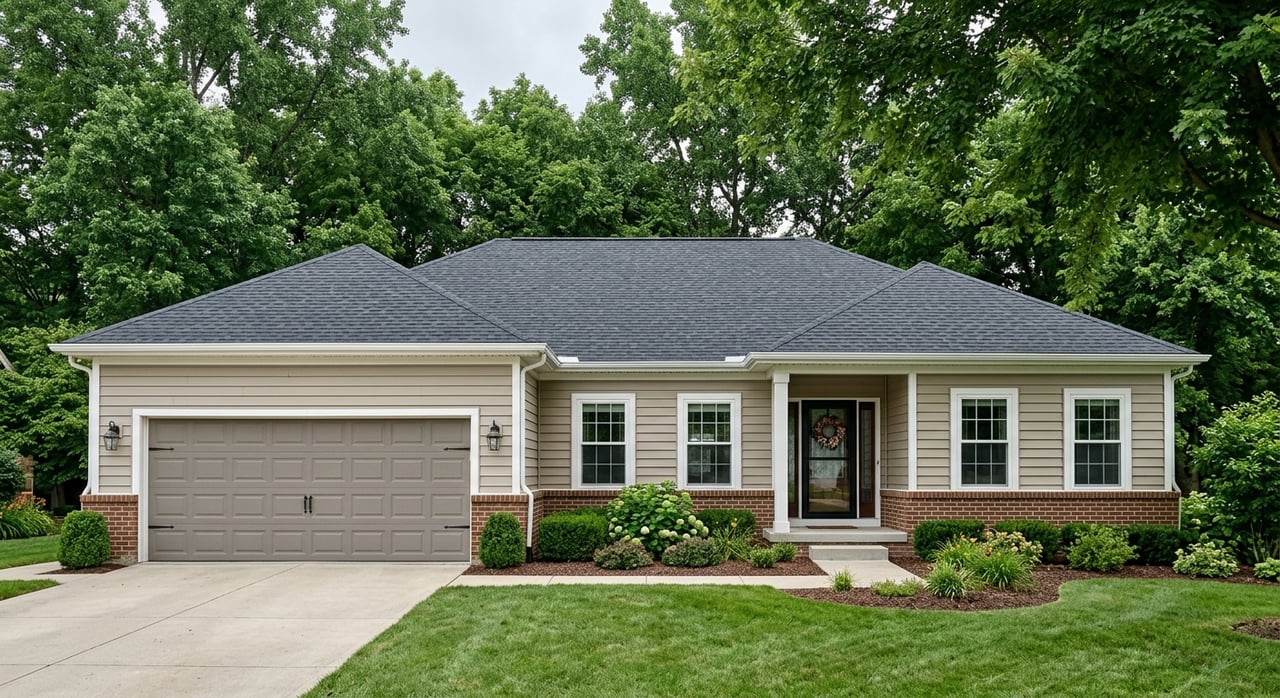
If you want options across historic character, new builds, and acreage, Columbia delivers a wide mix. The city has a historic downtown core and older neighborhoods alongside newer subdivisions and rural acreage as you move outward. Columbia and Maury County are well known for their concentration of antebellum and 19th‑century homes, which adds unique character to the area. You can read general background on Columbia’s history and housing eras in the city’s overview page on Wikipedia. Columbia’s city history and profile offers helpful context.
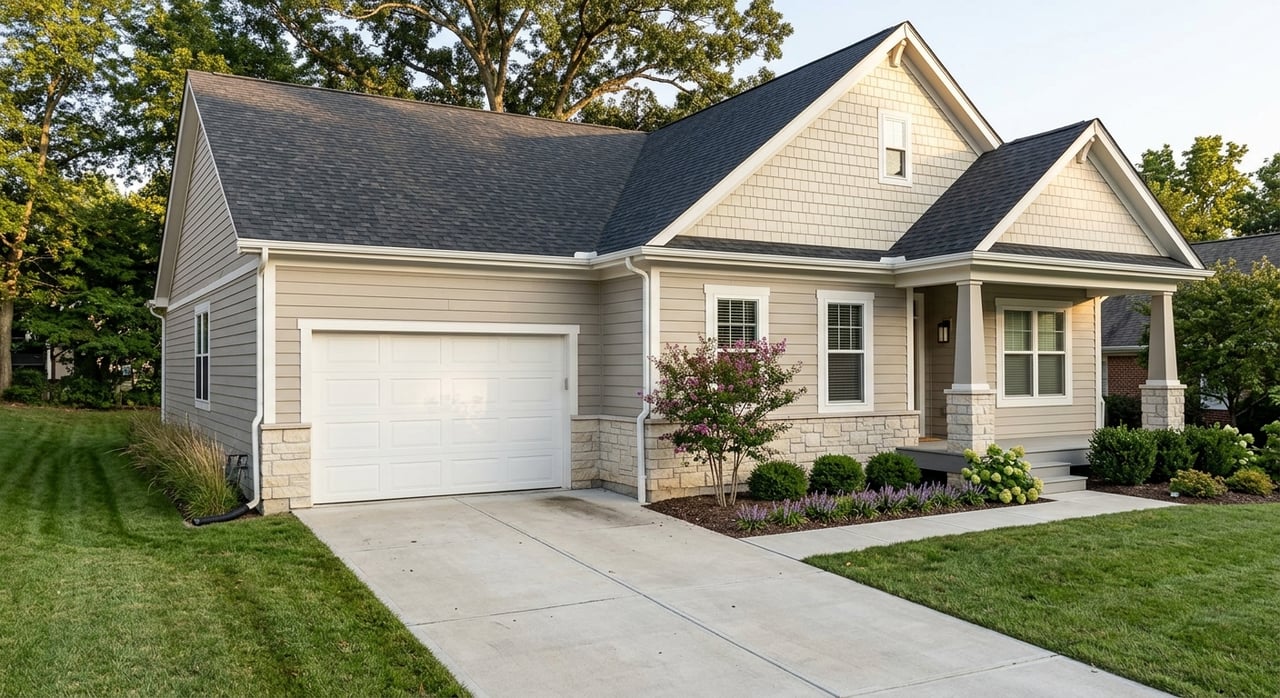
Spring Hill grew rapidly in the 2000s and 2010s, so you will find many newer, master-planned subdivisions. Typical suburban lots in newer developments often range around 0.18 to 0.25 acres, depending on the community and which side of the city you are in.
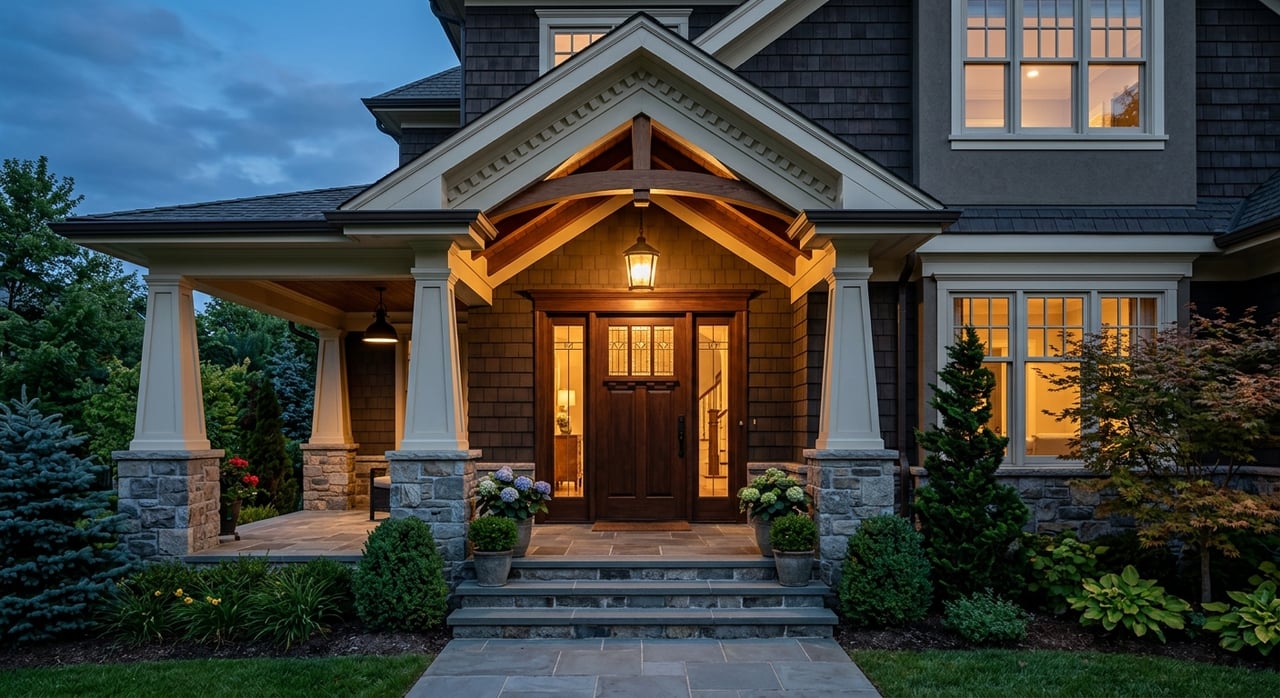
Franklin blends a walkable historic downtown with significant master‑planned and luxury communities developed from the 1990s through the 2010s and beyond. Lot sizes vary widely, from small-lot infill to larger estate and multi‑acre parcels around the outskirts.
Bottom line: If you want historic character or the option for larger rural lots at a lower price point, Columbia stands out. If you prefer consistent newer-construction product and HOA amenities, Spring Hill and many Franklin communities deliver that feel more predictably.
Property taxes and carrying costs
Tennessee taxes residential property at 25% of appraised market value to determine the assessed base for property taxes. Your total bill then reflects the combined county, city, school, and special-district rates that apply to your parcel. The City of Franklin’s FY26 budget materials explain this statewide assessment approach in context. See the city’s budget page for more about how rates are set after reappraisal events: Franklin FY2026 budget overview.
Here are the key local components cited for the current comparison:
- Maury County (covers Columbia): County levy adopted at about $1.91 per $100 of assessed value for FY2025/26, confirmed in local reporting on the county’s budget vote. Read the summary here: Maury County adopts FY2024–25 budget.
- Spring Hill (city component): The city rate is $0.739 per $100 of assessed value, applied across both the Maury and Williamson sides of Spring Hill. See the city’s published rate: Spring Hill tax rates.
- Franklin (city component): The adopted FY26 city rate is roughly $0.296 per $100 of assessed value after the 2025 reappraisal. Details are in the budget materials: Franklin FY2026 budget overview.
Important: These city rates are only one part of a full tax bill. County and school levies are significant and vary by location. Always verify a specific property’s combined total with the local trustee or tax office. For Maury County payments and timing, use the county’s official resource: Maury County Trustee.
Simple tax illustrations
These quick, rounded examples use typical values to show scale. They are not full tax bills and do not include all school and special-district components.
- Columbia example: Home value around $365,000. Assessed value at 25% is $91,250. County levy at $1.91 per $100 is roughly $1,742 for the county portion. In‑city parcels may also have a Columbia city component, and school and special-district levies apply.
- Spring Hill example (Maury side): Home value around $518,000. Assessed value at 25% is $129,500. County levy at $1.91 is roughly $2,474. Spring Hill city levy at $0.739 adds around $957. Combined county + city portions total about $3,431 before schools and other districts.
- Franklin example: Home value around $905,000. Assessed value at 25% is $226,250. Franklin city levy at about $0.296 is roughly $669 for the city portion. Williamson County and school levies make up the rest of the bill and are significant.
Takeaway: Columbia’s lower home values can reduce your overall tax dollars paid, even with a higher county levy than some neighboring municipalities. In Franklin, the city rate is lower, but the higher home values and county/school components often produce larger absolute tax bills. Spring Hill sits between, with a notable city component plus the county and school layers.
Rents and investor lens
If you are buying for investment, your gross yield is a fast way to compare areas. Gross yield equals annual rent divided by purchase price, before expenses.
- Columbia example: Average asking rent around $1,528 per month, or about $18,336 per year. With a typical home value near $364,640, the gross yield is roughly 5.0% before expenses.
- Spring Hill example: Average asking rent around $1,882 per month, or about $22,584 per year. With a typical home value near $518,068, the gross yield is roughly 4.4% before expenses.
Franklin’s higher entry prices and strong luxury segment often tilt it toward a longer-term appreciation or wealth-preservation play rather than a high cash-flow rental out of the gate. Net returns will still depend on financing, taxes, insurance, management, maintenance, and vacancy. Always run a full pro forma for each property.
Commute and daily life
Spring Hill sits about 30 miles south of Nashville, which places many residents within common commuter corridors toward the metro’s job centers. You can review general location and context here: Spring Hill overview.
Franklin is closer to the Cool Springs corporate and retail area and offers a large concentration of shopping, dining, and services. Columbia is farther south in Maury County and has a smaller-city feel with a historic downtown and direct access to rural amenities. Many buyers who choose Columbia trade a longer commute for a lower purchase price, more space, or unique home styles.
Where Columbia shines vs. trade-offs
Columbia stands out when you want:
- A lower entry price compared to Spring Hill and Franklin.
- Historic homes and a mix of older character plus newer options.
- The possibility of larger lots or acreage at a more attainable price.
Trade-offs to consider:
- Commute time to Nashville or Cool Springs job centers may be longer.
- The county levy structure affects carrying costs; verify parcel-level totals.
- Resale patterns can be more neighborhood-specific because Columbia’s housing mix is diverse.
How to match area to your goals
Use this simple framework to narrow your fit:
- Price and budget
- Set your target monthly payment, including estimated taxes and insurance.
- If you want the most space for the money, start your search in Columbia.
- Home age and upkeep
- Prefer low-maintenance, newer homes with HOA amenities? Focus on Spring Hill and some Franklin communities.
- Want historic details or unique layouts? Shortlist Columbia’s older cores and surrounding areas.
- Lot size and outdoor goals
- Need a standard suburban lot for easy upkeep? You will find many options in Spring Hill and Franklin subdivisions.
- Want room for hobbies, outbuildings, or a garden? Columbia’s rural edges may fit.
- Commute and routine
- Map your daily routes. Try a real-time drive during rush periods.
- If your schedule is flexible or hybrid, Columbia’s longer commute may be workable for the savings.
- Investment and rent potential
- If you are rent-focused, compare gross yields and taxes side by side.
- Run a property-specific pro forma to confirm net returns.
Recent appreciation signals
Recent year-over-year changes show a cooler, more balanced market across the region. Columbia trends modestly positive, Spring Hill is roughly flat depending on monthly mix, and Franklin is modestly positive with higher-end closings that can move the averages. These short-term moves are helpful context, but your strategy should still center on neighborhood fit, condition, and holding period rather than chasing monthly headlines.
What this means for you
If you value a lower purchase price and the option for older homes or acreage, Columbia delivers strong value. If you want newer construction, HOA amenities, and a mid-range price point, Spring Hill offers a large supply. If your priority is proximity to premium retail and corporate centers with a broad choice of upscale communities, Franklin is a match, with higher entry pricing to go with it.
Ready to compare specific neighborhoods, run property-level tax checks, and price out your options? We are happy to help you map the trade-offs and find the best fit.
Let’s talk next steps
If you want a side-by-side shortlist tailored to your budget, commute, and style, we will build it for you, including parcel-level tax checks and recent comps. Reach out to Dana Rector to Schedule a Free Consultation. We will walk you through the neighborhoods, preview homes, and move at your pace.
FAQs
What are typical home prices in Columbia, Spring Hill, and Franklin?
- Columbia trends around the mid $360Ks, Spring Hill around the low $500Ks, and Franklin around the low $900Ks as of early 2026. These are broad market signals and vary by neighborhood and property type.
How do property taxes compare across these areas?
- Maury County’s levy is about $1.91 per $100 of assessed value, Spring Hill’s city rate is $0.739 per $100, and Franklin’s city rate is roughly $0.296 per $100. County, school, and special-district components also apply. See Spring Hill tax rates and Franklin’s FY2026 budget, and confirm parcel totals with the Maury County Trustee.
Are homes generally newer in Spring Hill than in Columbia?
- Yes. Spring Hill’s rapid growth in the 2000s–2010s produced many newer, master-planned subdivisions. Columbia mixes historic neighborhoods, newer subdivisions, and rural acreage, giving you more variety in age and style.
What do rents and gross yields look like for investors?
- Columbia’s lower purchase prices and modest rents often produce a higher headline gross yield, roughly around 5% in a typical example, while Spring Hill lands closer to the mid‑4% range before expenses. Net returns depend on your specific property and costs.
Will I face longer commutes if I buy in Columbia?
- Often yes. Columbia sits farther from Nashville’s core job centers. Spring Hill is about 30 miles south of Nashville, and Franklin is closer to the Cool Springs corridor. Your actual commute will depend on route, time of day, and work location. See the Spring Hill overview for general location context.