Love the idea of a walkable square, historic homes, and a slower pace that still keeps you within reach of Nashville? Columbia delivers that mix with character, community traditions, and more approachable home prices than nearby hot spots. If you are weighing Columbia against Spring Hill or Franklin, you likely care about commute time, housing styles, and total cost. In this guide, you’ll learn what life feels like in historic Columbia, how prices compare, and where to plug into arts, events, and the outdoors. Let’s dive in.
Why Columbia draws people
Columbia is the Maury County seat with a growing population, estimated at 48,812 as of July 1, 2024, according to the U.S. Census quick facts. That growth reflects a broader shift south of Nashville as households seek value and space. Typical drive time to downtown Nashville runs about 45 to 50 minutes by the most direct route, based on drive distance calculators. Many buyers find the tradeoff worthwhile for the small-town feel and historic downtown.
- Population source: U.S. Census QuickFacts
- Drive time reference: Travelmath drive distance
Historic downtown highlights
Columbia’s courthouse square anchors a compact, well-preserved commercial district with late 19th and early 20th century storefronts. Stroll the blocks around the Maury County Courthouse to find local shops, cafes, and galleries. Historic attractions include the President James K. Polk Home and Museum, a National Historic Landmark with guided tours and exhibits.
- Learn more: President James K. Polk Home & Museum
Signature events
Downtown comes alive with First Fridays, pop-up markets, and seasonal programming organized by Columbia Main Street. Each April, Mule Day brings parades, crafts, and community traditions to the square. If you are planning a visit, check the city’s Mule Day page for the latest schedule and parade route.
- Event info: Mule Day on the City of Columbia site
Housing styles you’ll find
Columbia’s housing mix is broad, from stately historic homes to newer suburban neighborhoods. You can choose walkable blocks near the square, quiet streets with mid-century homes, or larger lots just outside town.
Historic core
Close to downtown, you’ll see Federal and Greek Revival influences along with Victorian era details on larger 19th century residences. Many have been renovated for modern living while keeping period character. Some historic properties fall within local or national historic listings, which may come with design review for exterior changes.
1930s to 1960s homes
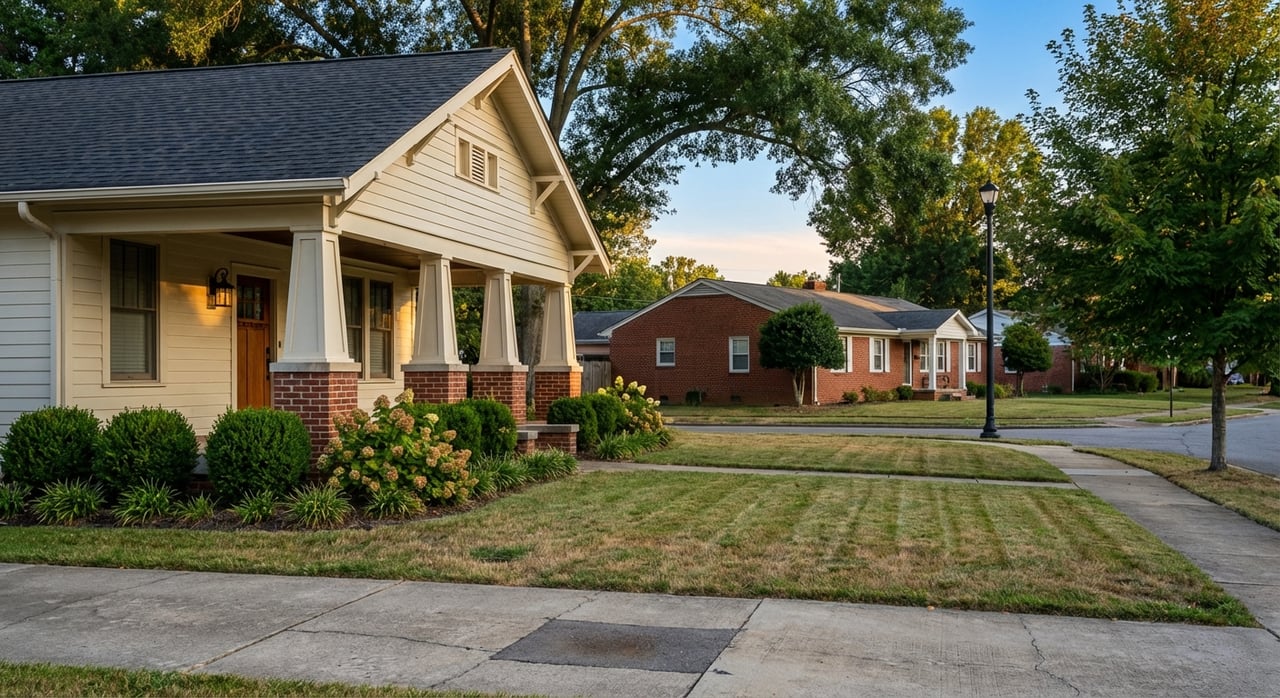
Bungalows, Craftsman cottages, and small brick ranches are common in established neighborhoods. These homes often deliver value and charm, with manageable footprints and mature trees.
Newer subdivisions
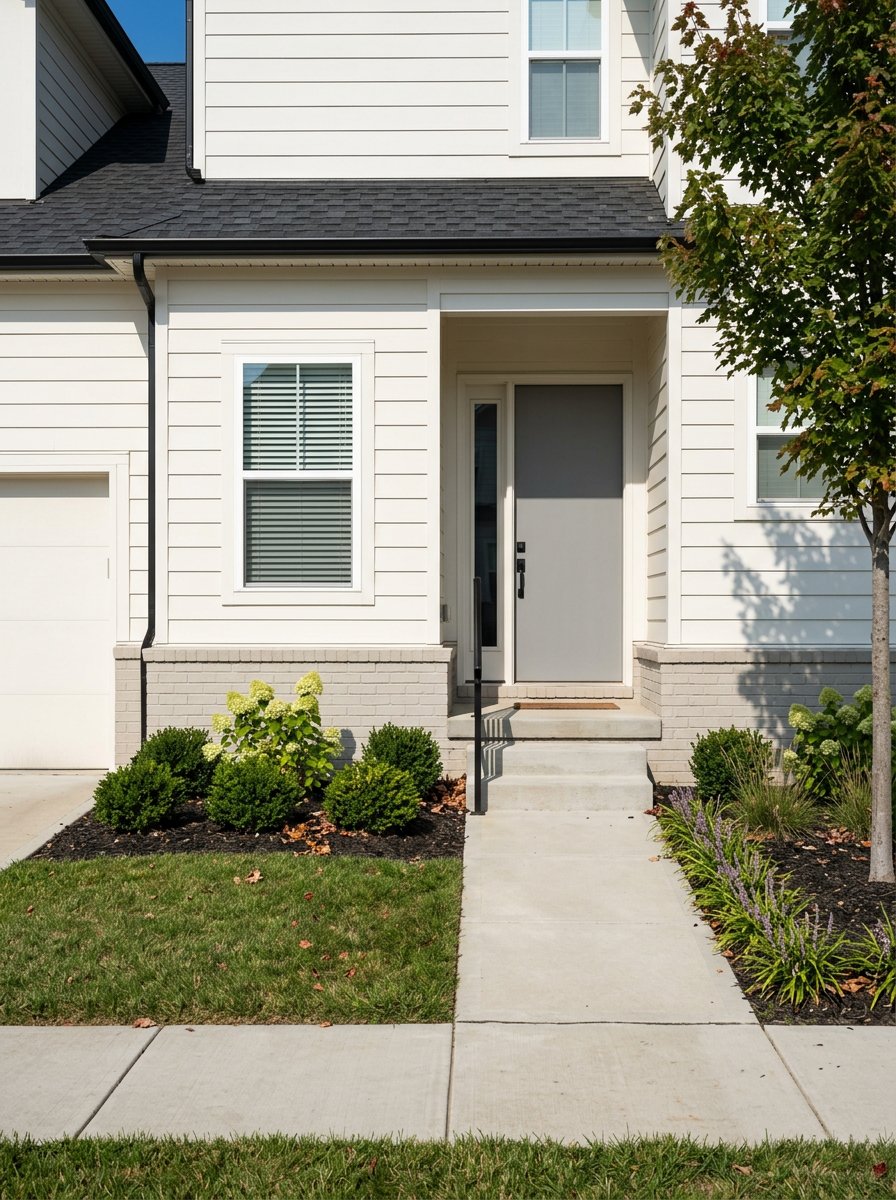
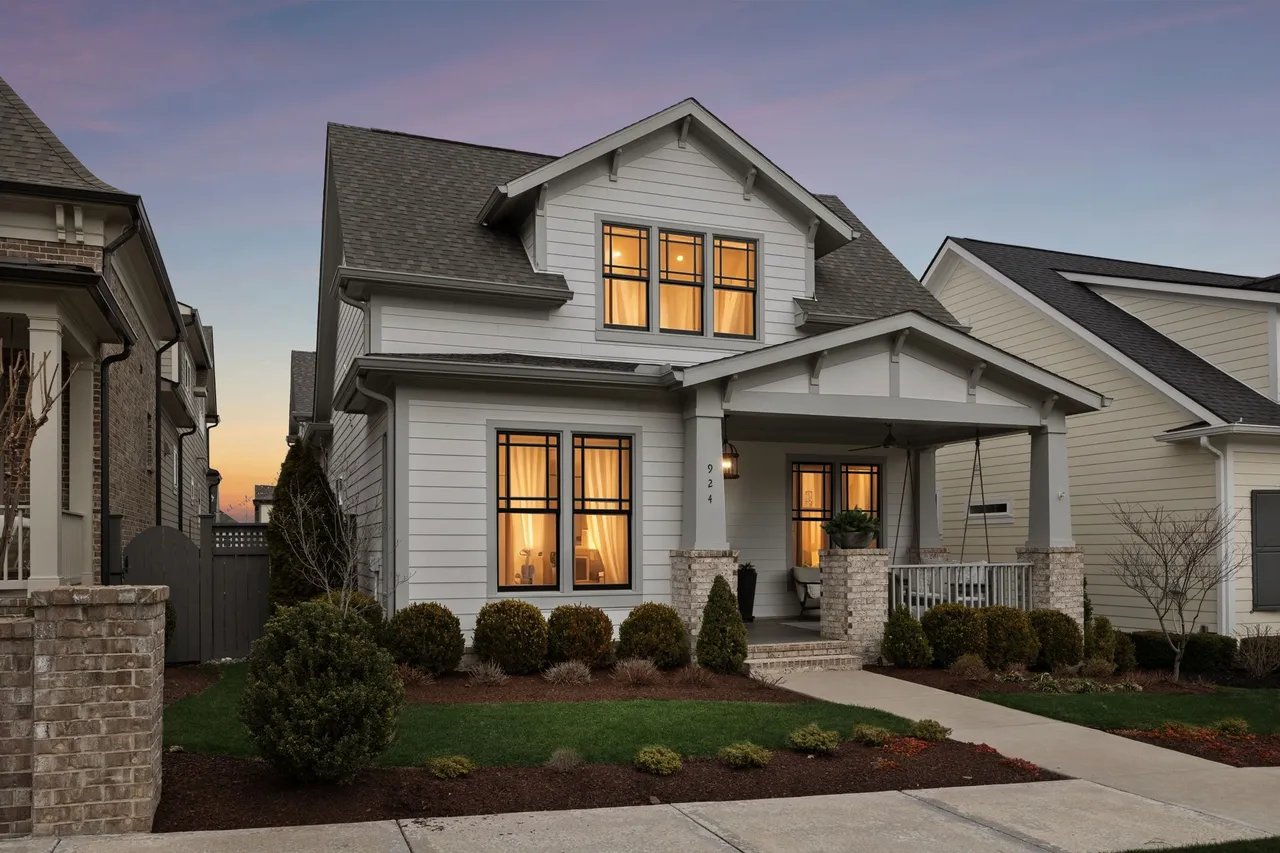
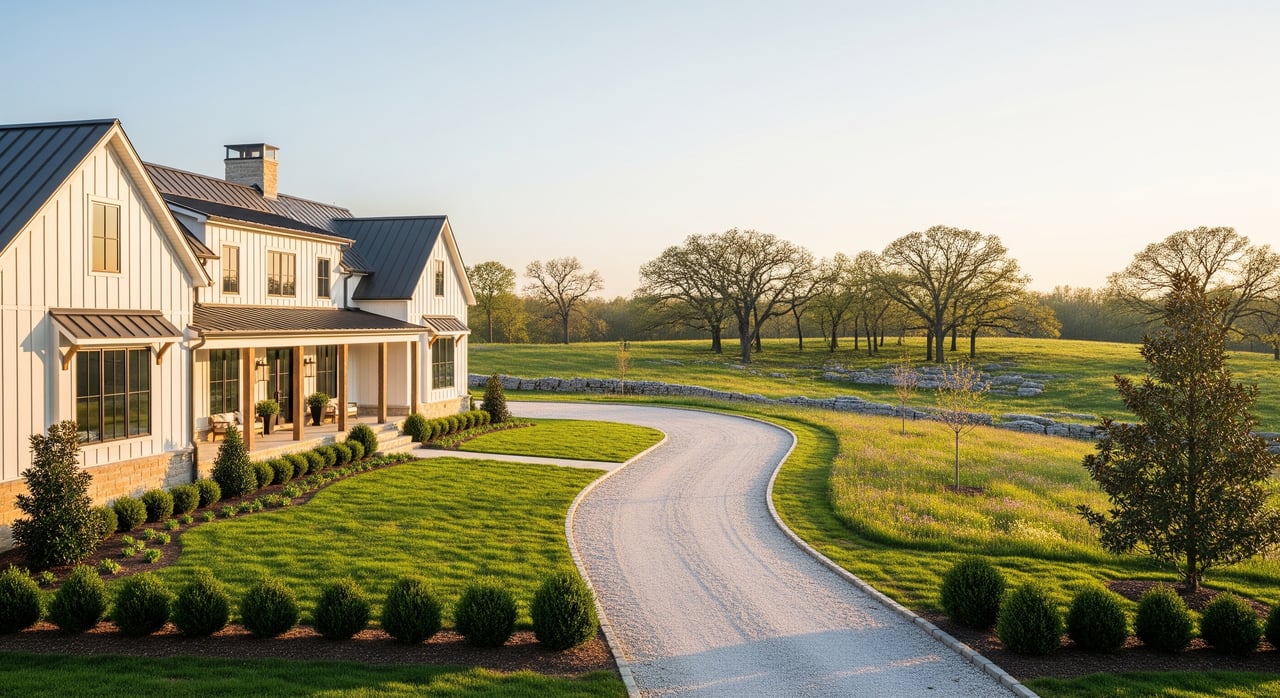
On the suburban edge, you’ll find single-family neighborhoods with modern floor plans, open kitchens, and larger primary suites. Outlying areas offer acreage and privacy for buyers who want more land.
Cost of living and home prices
Home prices in Columbia tend to sit below nearby Spring Hill and well below Franklin. Exact numbers depend on the data source and date, but these late 2025 to early 2026 snapshots are helpful for context.
- Columbia: Market overviews show median metrics roughly 380,000 to 430,000 dollars depending on whether you look at city medians, listing vs. sold, and specific zip codes. See the county overview for a broad snapshot. Source: Realtor market summary for Maury County.
- Spring Hill: Zillow’s Home Value Index shows a typical home value in the low to mid 500,000s, about 512,000 to 513,000 dollars through Dec 2025 to Jan 2026. Source: Zillow ZHVI for Spring Hill.
- Franklin and Williamson County: County medians often run above 1.0 million dollars in late 2025 summaries, reflecting higher average prices. Source: Realtor market summary for Williamson County.
Prices vary by neighborhood, lot size, age, and renovation level. Historic homes downtown may command premiums, while rural acreage can span a wide range.
Commute and daily rhythm
If you commute to Nashville, Columbia’s distance is a key consideration. Typical drive time to downtown Nashville is about 45 to 50 minutes in normal conditions. Spring Hill is closer and can save time for many commuters, while Franklin is the quickest of the three.
Tips to right-size your commute:
- Test your exact address at peak hours to see real conditions.
- Consider hybrid or remote work patterns when you compare options.
- Factor in daily errands, kids’ activities, and access to parks.
Reference: Travelmath drive distance
Arts, events, and local flavor
You will find year-round arts and community programming downtown and on campus. First Fridays, gallery nights, and rotating markets create an easy social calendar. For live performances, the Packard Playhouse hosts community theatre and intimate concerts in a 100-plus seat venue.
- Venue details: Packard Playhouse
Outdoors on the Duck River
The Duck River is a standout for paddling, fishing, and nature watching. Conservation groups describe it as one of North America’s most biodiverse freshwater rivers, and it is a point of pride for the region. Always check access points and seasonal water conditions before you go.
If you are buying near the river or in low-lying areas, review flood maps and local rules as part of your due diligence. Learn more about the river’s ecology from the Nature Conservancy’s Duck River page.
Quick compare: Columbia vs. Spring Hill vs. Franklin
Below is a simple side-by-side to help you frame tradeoffs. Prices reflect late 2025 to early 2026 snapshots from the sources cited in this post.
| Factor | Columbia | Spring Hill | Franklin |
|---|---|---|---|
| Typical home price | About 380,000 to 430,000 dollars (Realtor) | Low to mid 500,000s ZHVI (Zillow) | Often 1.0 million dollars plus (Realtor) |
| Drive time to downtown Nashville | About 45 to 50 minutes | About 39 minutes | About 29 minutes |
| Downtown vibe | Historic square, local shops, festivals | Suburban with growing amenities | Upscale historic core with higher-end retail |
| School district context | Served primarily by Maury County Public Schools | Served by Maury or Williamson, depending on address | Served by Williamson County Schools |
Is Columbia right for you?
Use this quick checklist as you narrow your search:
- You value historic character and a true courthouse square.
- You want more house for the budget than Franklin typically offers.
- You are comfortable with a longer commute or have remote flexibility.
- You like community traditions such as Mule Day and First Fridays.
- You want options that span historic homes, mid-century, and newer builds.
Work with a local guide
If Columbia is on your list, you deserve a clear plan for neighborhoods, price point, and timing. We can help you compare tradeoffs, estimate commute impact, and target homes that match your lifestyle. When you are ready, schedule a quick consult with Dana Rector to map your next steps.
FAQs
What is it like living near Columbia’s historic square?
- You get walkable blocks with restaurants, shops, and frequent events, plus access to historic architecture and museums.
How do Columbia home prices compare to Franklin and Spring Hill?
- Columbia’s medians often land around 380,000 to 430,000 dollars, below Spring Hill’s low to mid 500,000s and far below many Franklin areas that exceed 1.0 million dollars, based on late 2025 to early 2026 snapshots.
What is the typical commute from Columbia to Nashville?
- Plan for roughly 45 to 50 minutes to downtown Nashville by the most direct route, and always test your exact address at peak times.
What are the main community events in Columbia?
- First Fridays and seasonal downtown programming are staples, and Mule Day each spring draws big crowds for parades, crafts, and more.
Is outdoor recreation easy to access in Columbia?
- Yes, the Duck River offers paddling and fishing along with rich biodiversity, and local parks and green spaces add easy weekend options.